Weekly outline
General
Assalamualaikum wr.wb.
Salam sejahtera untuk kita semua, Om Swastiastu, Nama Budaya, Salam Kebajikan
Selamat datang di mata kuliah Leadership.
Semoga kita semua selalu diberikan kesehatan agar dapat menjalani perkuliahan dengan baik.
Tim pengajar pada mata kuliah ini ada 2 yaitu
Dr. Nova Mardiana, S.E.,M.M.
Dr. Habibullah Djimad, S.E., M.Si.
Semoga mahasiwa dapat mengikuti perkuliahan daring dengan maksimal dan memahami materi perkuliahan yang disampaikan.
Hand book of Leadership
- RPS File 52.2KB Word 2007 document
Agar mahasiswa dapat mengakses dan dapat mengikuti perkuliahan Leadership ini dengan baik dan lancar, ada beberapa hal yang perlu diikuti oleh seluruh mahasiswa, yaitu:
1. Mahasiswa dapat mengakses mata kuliah Leadership pada LMS Vclass Unila (vclass.unila.ac.id) melalui smartphone atau komputer/laptop yang telah tersambung jaringan internet.
2. Untuk dapat mengakses (login) pada LMS Vclass Unila, mahasiswa wajib memiliki akun SSO Unila yang dapat diperoleh dari UPT TIK Unila.
3. Mahasiswa dapat meminta password pada Dosen Pengampu mata kuliah agar dapat masuk sebagai participant apabila kelas dikunci.
4. Mahasiswa wajib menggunakan Nama Asli dan mencantumkan NPM sebagai nama akun Vclass. Contoh format penamaan akun: Adi Saputra _1711011100. Selain itu mahasiswa juga wajib menampilkan foto asli resmi pada profil akun masing-masing.
5. Setelah bergabung dalam kelas virtual mata kuliah Leadership, mahasiswa diiwajibkan membaca semua petunjuk dan materi/ konten yang telah diberikan oleh dosen untuk setiap pertemuan, sebelum pertemuan perkuliahan tersebut dilaksanakan.
6. Mahasiswa wajib secara aktif berpartisipasi dalam diskusi yang dilaksanakan di setiap pertemuan, karena hal ini merupakan salah satu aspek penilaian akhir.
7. Mahasiswa wajib mengerjakan seluruh tugas yang diberikan oleh dosen dan mengumpulkan sesuai dengan waktu yang telah ditentukan.
8. Mahasiswa diperbolehkan untuk aktif bertanya dalam setiap kegiatan pembelajaran jika ada hal-hal yang masih kurang dipahami dari materi yang disampaikan oleh dosen.
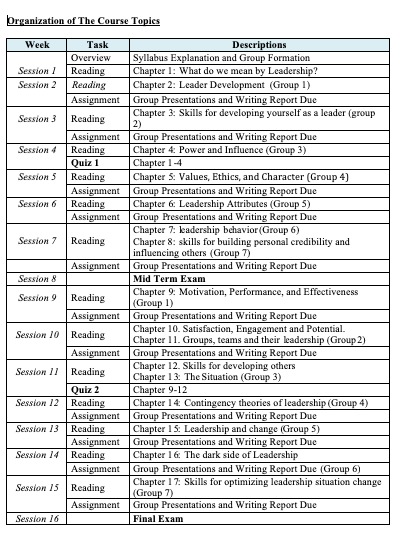
9. Mahasiswa wajib mengikuti kuis yang akan diselenggarakan sebanyak dua (2) kali, yaitu pada akhir pertemuan/minggu ke-4 dan ke-12.
10. Mahasiswa wajib mengikuti Ujian Tengah Semester (UTS) yang akan diselenggarakan pada pertemuan/minggu ke-8.
11. Mahasiswa wajib mengikuti Ujian Akhir Semester (UAS) yang akan diselenggarakan pada akhir perkuliahan atau pertemuan/minggu ke-16.
Hand book Leadership
Session 1; Syllabus Explanation and Group Formation & Chapter 1: What do we mean by Leadership?
PENDAHULUAN
Assalamu'alaikum wr. wb.
Selamat datang di Mata Kuliah Leadership kelas MM Unila
Materi hari ini adalah membahas tentang karakter kepemimpinan, dengan tujuan pembelajaran:
✓ Memahami berbagai cara kepemimpinan didefinisikan
✓ Memahami bermacam teori tipe kepemimpinan
✓ Memahami berbagai cara menentukan efektifitas kepemimpinan
✓ Memahami aspek kepemimpinan
- Book: Leadership_enhancing_the_lesson of experience File 17.2MB PDF document
https://drive.google.com/file/d/13-3Qi7y0ewZ8Fol1PH2Qw84khRlFKzUV/view?usp=sharing
- Materi Presentasi File 458.2KB Powerpoint 2007 presentation
Silahkan dipelajari, dipahami dan diskusikan
PENUTUP
Terimakasih banyak atas keseriusan kalian mengikuti pembelajaran. Sampai jumpa pekan depan
Session 2; Ch 2. Leader Development
Leader Development 40
Introduction 40
The Action–Observation–Reflection Model 42 The Key Role of Perception in the Spiral
of Experience 45Perception and Observation 45 Perception and Reflection 47 Perception and Action 48
Reflection and Leadership Development 49 Single- and Double-Loop Learning 53
Making the Most of Your Leadership Experiences: Learning to Learn from Experience 54
Leader Development in College 57
Leader Development in Organizational Settings 59 Action Learning 64
Development Planning 65
Coaching 67
Mentoring 69Building Your Own Leadership Self-Image 72 Summary 74
answers this questions..
1. Explain how to building technical competence !
2. Explain how to building effective relationships with superiors !
3. Explain how to building effective relationships with peers
4. Explain how to developi planningClosing
Ya Allah...,
Thank you for loving all of us with good health so we can study today in great spirit.
Today is a great learning experience for all of us.
Please make the things that I know how to be useful and something I will remember and implement in daily life.
You have great power to makes the impossible happen.
Please allow us to be more understanding of the lesson even from before.
Thank you for allowing us to learn something new and make us richer with information.
Aamiin...
Thank you very much for your seriousness in participating in the learning.
See you next week...
PEMBUKAAN
Pada sesi ini kita akan pelajari keterampilan untuk mengembangkan diri sebagai pemimpin
PENYAJIAN
PENUTUP
Session 3; Ch 3. Skills for Developing Yourself as a Leader
Introduction 82
Your First 90 Days as a Leader 83Before You Start: Do Your Homework 83 The First Day: You Get Only One Chance
to Make a First Impression 84
The First Two Weeks: Lay the Foundation 85 The First Two Months: Strategy, Structure,and Staffing 87
The Third Month: Communicate and Drive Change 88 Learning from Experience 89
Creating Opportunities to Get Feedback 89 Taking a 10 Percent Stretch 89
Learning from Others 90
Keeping a Journal 90Having a Developmental Plan 92 Building Technical Competence 92
Determining How the Job Contributes to the Overall Mission 93
Becoming an Expert in the Job 94
Seeking Opportunities to Broaden Experiences 94Building Effective Relationships with Superiors 95 Understanding the Superior’s World 96
Adapting to the Superior’s Style 96Building Effective Relationships with Peers 97
Recognizing Common Interests and Goals 98 Understanding Peers’ Tasks, Problems, and Rewards 98 Practicing a Theory Y Attitude 99
Development Planning 99
Conducting a GAPS Analysis 100
Identifying and Prioritizing Development Needs: Gaps of GAPS 102
Bridging the Gaps: Building a Development Plan 103
Reflecting on Learning: Modifying Development Plans 105
Transferring Learning to New Environments 105Persentation
Chapter Review
Please answer questions
Closing
Ya Allah...,
Thank you for loving all of us with good health so we can study today in great spirit.
Today is a great learning experience for all of us.
Please make the things that I know how to be useful and something I will remember and implement in daily life.
You have great power to makes the impossible happen.
Please allow us to be more understanding of the lesson even from before.
Thank you for allowing us to learn something new and make us richer with information.
Aamiin...
Thank you very much for your seriousness in participating in the learning.
See you next week...
Closing
Thank you very much for your seriousness in participating in the learning. Evaluation of your learning can be seen in the following folder.
See you next weekKelompok 3
1. Azmi Farhan Fauzian 1811011069
2. Salsabila Nisrina 1851011003
3. Sarassasti Ayu Nabila 1851011002
4. Muhammad Rusdiansyah 1811011067
5. Sherly Noveliza 1811011019
6. Desty Gita Ramadhanty 1811011017
7. Rayhan Aliamin 1851011012- Materi Peretemuan 3 File 709.6KB Powerpoint 2007 presentation
Silahkan dipelajari, dipahami dan diskusikan
- Presentasi Mahasiswa Bab 3 File 412.3KB Powerpoint 2007 presentation
Silahkan dipelajari, dipahami dan diskusikan
Session 4. Ch 4. POWER AND INFLUENCE
Introduction 110
Some Important Distinctions 110 Power and Leadership 114Sources of Leader Power 114
A Taxonomy of Social Power 117Expert Power 118 Referent Power 118 Legitimate Power 119 Reward Power 120 Coercive Power 121
Concluding Thoughts about French and Raven’s Power Taxonomy 124
Leader Motives 126Influence Tactics 129
Types of Influence Tactics 129
Influence Tactics and Power 130
A Concluding Thought about Influence Tactics 134Summary 136
Introduction to Power & Influence
Assalamu'alaikum wr wb
Dear students
What comes to your mind when you think about power? Do you think of a person wielding enormous authority over others? Do you think of high office? Do you think of taking others do things against their will? Is power ethically neutral, or is it inherently dangerous as Lord Acton said? (“Power corrupts, and absolute power corrupts absolutely.”) Do you think a leader’s real power is always obvious to others? What sorts of things might enhance or detract from a leader’s power? What are the pros and cons of different ways of trying to influence people? These are the kinds of issues we will explore in this chapter.
Presentation: Power & Influence
QUIZ TIME
1.Some definitions of leadership exclude reliance on formal authority or coer- cion (that is, certain actions by a person in authority may work but should not be considered leadership). What are the pros and cons of such a view?
2. Some people say it dilutes a leader’s authority if subordinates are allowed to give feedback to the leader concerning their perceptions of the leader’s perfor- mance. Do you agree?
3. Is leadership just another word for influence? Can you think of some examples of influence that you would not consider leadership?
4. Explain how to building technical competence !
5. Explain how to building effective relationships with superiors !
6. Explain how to building effective relationships with peers!
Closing
Ya Allah...,
Thank you for loving all of us with good health so we can study today in great spirit.
Today is a great learning experience for all of us.
Please make the things that I know how to be useful and something I will remember and implement in daily life.
You have great power to makes the impossible happen.
Please allow us to be more understanding of the lesson even from before.
Thank you for allowing us to learn something new and make us richer with information.
Aamiin...
Thank you very much for your seriousness in participating in the learning.
See you next week...
Introduction Section 4
Bismillahirohmannirohim..
Assalamualaikum Wr.Wb.....
Salam sejahtera untuk kita semua, Om Swastiastu, Nama Budaya, Salam Kebajikan..
Tabikpuuun...

Dear students,
Leaders can use power for good or ill, and a leader’s personal values and ethical code may be among the most important determinants of how that leader exercises the various sources of power available. That this aspect of leadership needs closer scrutiny seems evident enough in the face of the past decade’s wave of scandals involving political, business, and even religious leaders who collectively rocked trust in both our leaders and our institutions.
learning objectives chapter 5 leadership ethics and values
1. to be abel to know leadership and doing the right things
2. to be abel to know ethics and values based approaches to leadership
3. to be able to know the roles of ethics and value in organizational leadership
Don't forget to fill in your presence
Thank you for your attention and participation
Book: Leadership_ Enhancing the Lessons of Experience
Persentation of your Project
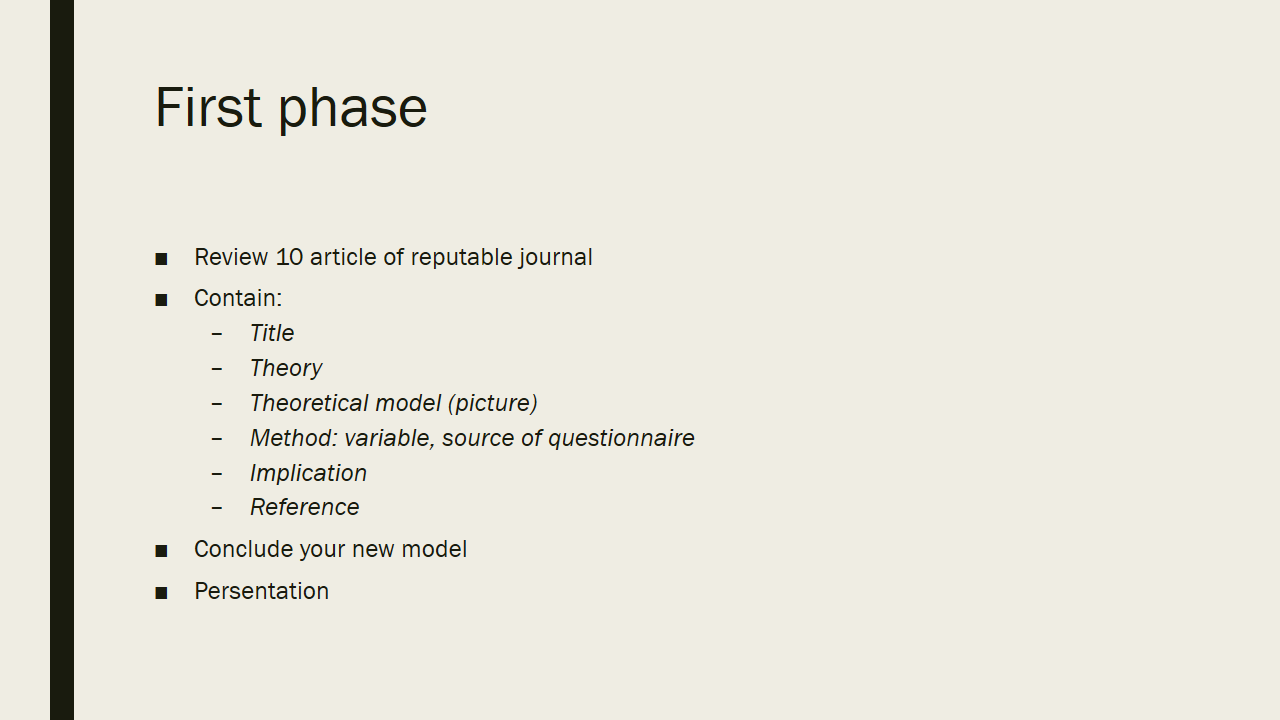

Make your presentation in 5 slides maximum, containing:
- Previous research briefly and research models that have been used
- The new model you proposed
Good Luck
- CHAPTER 5 LEADERSHIP ETHICS AND VALUES, ppt File 622.9KB PDF document
Closing
Thank you very much for your seriousness in participating in the learning. Evaluation of your learning can be seen in the following folder.
See you next weekCASE/PROBLEM BASED TEMPLATE
IDENTITAS MATAKULIAH
Matapelajaran:
Leadership
Pokok Bahasan:
Focus on the leader
Sub Pokok Bahasan:
Leadership, ethics & values
CPMK
Sub CPMK
Kasus/Problem:
Ethics is considered to be able to eliminate dirty business practices
SCRIPT – INTRODUCTION/ORIENTASI PADA MASALAH
Orientasi pada masalah/Defining the Problem (Open ended problem/Real life Problem)
KASUS/PROBLEM A
According to Professor at the Faculty of Business Economics, University of Indonesia, Cynthia Afriani Utama, there are still many companies that get around taxes (transfer pricing), unclean policies, unethical culture. So ahw considered that it was necessary for an individual's ability or moral awareness to differentiate between right and wrong actions.
Ethical violations in business practices in Indonesia are a serious problem that can damage a company's integrity and reputation and destroy public trust. So good strategies are needed, such as increasing awareness and training related to business ethics, to prevent it.
However, she reminded that cooperation between the government, business sector and civil society is very important in fighting ethical violations and promoting fair and responsible business practices.
KASUS/PROBLEM B
SCRIPT – ANALISIS MASALAH
1. Tiap kelompok Brainstorming
group 1: ethics is very influential in preventing dirty practices by business people.
group 2: the importance of paying taxes to support governance so that moral leadership is maintained.
Group 3: Business people must be able to distinguish between good and bad actions so that ethics are maintained.
group 5: the importance of moral awareness of business people in order to avoid unethical and unlawful actions.
group 6: the importance of ethics to maintain the integrity and reputation of the company.
group 7: the need for individual awareness in handling matters of corporate ethics to create a business environment with integrity in Indonesia.
2. Alternatif Solusi
Creating an ethical climate is not easy or just a matter of following a simple recipe. Conflicts over values can arise even when an organization has clearly published values that are embraced by everyone. That can happen when employees and leaders have divergent perceptions of whether the leader’s behavior embodies important
corporate values.
SCRIPT-PROBLEM SOLVING ACTIVITES
4. Mengumpulkan informasi dan Pengembangan Solusi
Ethical violations in business practices in Indonesia are a serious problem that can damage a company's integrity and reputation and destroy public trust. So good strategies are needed, such as increasing awareness and training related to business ethics, to prevent it.
cooperation between the government, business sector and civil society is very important in fighting ethical violations and promoting fair and responsible business practices.
4. Presentasi (Sharing) dan Penyajian Hasil Karya
Group 4:
- Cika Nandita Roesly (2211011116)
https://youtu.be/NiVH1vUkHWY?feature=shared
- Khoirul Anam (2211011173)
https://youtu.be/AmPsGjwUcUA?si=JcXw6g5NjJdZlsVr
- Fauzi Arfan (2251011013)
https://youtu.be/Pk6-6mut6RY?feature=shared
- Zahwa Nura Aziza (2251011030)
https://youtu.be/WFQct-cMWMc?si=IVV46gJeWKfgnnKJ
SCRIPT-REFLEKSI DAN TINDAK LANJUT
According to Professor at the Faculty of Business Economics, University of Indonesia, Cynthia Afriani Utama, there are still many companies that get around taxes (transfer pricing), unclean policies, unethical culture. So he considered that it was necessary for an individual's ability or moral awareness to differentiate between right and wrong actions.
Ethical violations in business practices in Indonesia are a serious problem that can damage a company's integrity and reputation and destroy public trust. So good strategies are needed, such as increasing awareness and training related to business ethics, to prevent it.
Validate
Date: 30 Agust 2023
Lecturer: (1) (2) (3)
PENDAHULUAN
Assalamu'alaikum wr wb
Pemimpin dapat menggunakan kekuasaan untuk kebaikan atau keburukan, dan nilai-nilai pribadi serta kode etik seorang pemimpin mungkin merupakan salah satu penentu terpenting tentang bagaimana pemimpin tersebut menjalankan berbagai sumber kekuasaan yang tersedia. Bahwa aspek kepemimpinan ini perlu dicermati lebih cermat tampaknya cukup jelas dalam menghadapi gelombang skandal dekade terakhir yang melibatkan pemimpin politik, bisnis, dan bahkan agama yang secara kolektif mengguncang kepercayaan pada para pemimpin dan lembaga kita.PENYAJIAN
- Presentasi Mahasiswa File 14.5MB PDF document
Silahkan dipelajari, dipahami dan diskusikan
PENUTUP
Session 5; Chapter 5: Values, Ethics, and Character
Introduction
Assalamu'alaikum wr wb
Dear students,
Leaders face dilemmas that require choices between competing sets of values and priorities, and the best leaders recognize and face them with a commitment to doing what is right, not just what is expedient. Of course the phrase doing what is right sounds deceptively simple. Sometimes it takes great moral courage to do what is right, even when the right action seems clear. At other times, though, leaders face complex challenges that lack simple black-and-white answers. Whichever the case, leaders set a moral example to others that becomes the model for an entire group or organization, for good or bad. Leaders who themselves do not honor truth do not inspire it in others. Leaders concerned mostly with their own advancement do not inspire selflessness in others. Leaders should internalize a strong set of ethics—principles of right conduct or a system of moral values.LEARNING OBJECTIVE
1. Importance of Values in Leadership2. Ethics and Decision-Making
3. Core Ethical Principles
4. The Importance of Character in Leadership
5. The Impact of Ethical Leadership
6. ConclusionPRESENTATION
Thank you very much for your seriousness in participating in the learning. Evaluation of your learning can be seen in the following folder.
See you next weekAnswers this questions...
1. What Are Critical Elements of Developing Ethical Leadership?
2. led Hannah and Avolio to recommend greater attention be paid to a concept they call moral potency. It has three main components. Explain about that !
3. Explain about Ten characteristics are often associated with servant leaders.Closing
Ya Allah...,
Thank you for loving all of us with good health so we can study today in great spirit.
Today is a great learning experience for all of us.
Please make the things that I know how to be useful and something I will remember and implement in daily life.
You have great power to makes the impossible happen.
Please allow us to be more understanding of the lesson even from before.
Thank you for allowing us to learn something new and make us richer with information.
Aamiin...
Thank you very much for your seriousness in participating in the learning.
See you next week...
Introduction
Bismillahirohmannirohim..
Assalamualaikum Wr.Wb.....
Salam sejahtera untuk kita semua, Om Swastiastu, Nama Budaya, Salam Kebajikan..
Tabikpuuun...
Dear students,
In Chapter 1 leadership was defined as “the process of influencing an organized group toward accomplishing its goals.” Given this definition, one question that leadership researchers have tried to answer over the past century is whether certain personal attributes or characteristics help or hinder the leadership process. In other words, does athletic ability, height, personality, intelligence, or creativity help a leader to build a team, get results, or influence a group?
earning objectives chapter 6 leadership attributes
1. to be abel to know personality traits and leadership
2. to be able to know personalyt types and leadership
3. to be abel to know intellegence and leadership
4. to be able to know emotional intelligence and leadership
Don't forget to fill in your presence
Thank you for your attention and participation
Book: Leadership_ Enhancing the Lessons of Experience
Project Based Learning Step 1
Send your draft and PPT
Your assignment:
- PPT presentation
- You may send also your PBL presentation in youtube link
- Your document of 10 articles resume according to PBL instruction
PBL Presentation by Khevin Angga Putra
PBL Presentation by Chen Tia
Closing
Thank you very much for your seriousness in participating in the learning. Project Based Learning Step 1 Decision next in the following folder.
See you next weekCASE/PROBLEM BASED TEMPLATE
IDENTITAS MATAKULIAH
Matapelajaran:
Leadership
Pokok Bahasan:
Sub Pokok Bahasan:
CPMK
Knowing the relationship between Personality Traits and Leadership
Knowing the relationship between Personality Types and Leadership
Understand the important of Intelligence in Leadership
Understand the relationship between Emotional Intelligence and Leadership
Sub CPMK
Kasus/Problem:
The leadership style of director PT. KAI
SCRIPT – INTRODUCTION/ORIENTASI PADA MASALAH
Orientasi pada masalah/Defining the Problem (Open ended problem/Real life Problem)
KASUS/PROBLEM A
In leading Jonan uses the principle of leading by example. This aims to make his employees able to work and follow directions in order to achieve the goals to be achieved.
In Jonan's leadership era, he was able to change in terms of the mindset that occurred to the community through the use of technology from the replacement of the conventional ticket system to the e-ticketing system. the culture of queuing and orderly entry and exit of the station through one door is also familiarized. As well as a decrease in the number of free riders, it can be seen through the increase in the number of KRL passengers, namely within a month of e-ticketing being implemented, there was an increase in the number of users by 20%, namely 575,134 KRL users per day.
KASUS/PROBLEM B
SCRIPT – ANALISIS MASALAH
1. Tiap kelompok Brainstorming
Personality is an important things in leadership because personlity affect how they in an organization.
There is so much assessment to determine a personality such as big 5 theory abd MBTI.
There is a relationship between leader intelligence and experience level. The performance of a leader is a combination between intelligence and experience
Leader not just need to have a good intelligence but also a good emotional intelligence. This will help a leader to control their emotion and their team emotion.
2. Alternatif Solusi
A leader should have a balance between personality, intelligence, and emotional intelligence in leadership. all three have an important role in achieving company goals and also in managing member satisfaction. the above can be developed by conducting several assessments, evaluating, and continuing to improve the above.
SCRIPT-PROBLEM SOLVING ACTIVITES
4. Mengumpulkan informasi dan Pengembangan Solusi
Understanding the relationship between personality traits and leadership is crucial. Certain traits, such as extraversion, conscientiousness, and openness, are often associated with effective leadership. These traits can contribute to a leader's ability to inspire and guide a team. Personality types, often assessed through tools like the Myers-Briggs Type Indicator (MBTI), can provide insights into leadership styles. Different personality types may excel in various leadership roles. Intelligence, both in terms of cognitive and emotional intelligence, also plays a critical role in leadership. Cognitive intelligence helps leaders make informed decisions and solve complex problems, while emotional intelligence enables them to understand and manage their own emotions and those of their team members, leading to better interpersonal relationships and team dynamics. Meanwhile, Leaders with high emotional intelligence can navigate complex social situations, inspire trust and loyalty, and effectively manage conflicts.
4. Presentasi (Sharing) dan Penyajian Hasil Karya
-Rafa Nithalaida (2211011065)
-Tiara Rizky Cahya (2211011140)
-Anna Radionova (PB23111011001)
SCRIPT-REFLEKSI DAN TINDAK LANJUT
In conclusion, Jonan's leadership style, characterized by leading by example, had a transformative impact on the community during his era. Through the introduction of technology and the shift from a conventional ticketing system to e-ticketing, Jonan not only improved the efficiency of the transportation system but also influenced a change in societal mindset. The adoption of e-ticketing promoted a culture of queuing and orderly station entry and exit, significantly reducing free riders.
The results were remarkable, with a substantial 20% increase in the number of KRL passengers within just a month of implementing e-ticketing. This case exemplifies the power of effective leadership in fostering positive changes in both technology adoption and cultural shifts within a community. Jonan's approach of leading by example contributed to the success of this transformation.
Validate
Date: 5 Oktober 2023
Lecturer: (1) (2) (3)
PENDAHULUAN
Assalamu'alaikum wr wb
Pada Bab 1, kepemimpinan didefinisikan sebagai "proses mempengaruhi kelompok yang terorganisir untuk mencapai tujuannya." Dengan definisi ini, satu pertanyaan yang coba dijawab oleh para peneliti kepemimpinan selama abad yang lalu adalah apakah atribut atau karakteristik pribadi tertentu membantu atau menghalangi proses kepemimpinan. Dengan kata lain, apakah kemampuan atletik, tinggi badan, kepribadian, kecerdasan, atau kreativitas membantu seorang pemimpin untuk membangun tim, mendapatkan hasil, atau memengaruhi kelompok?
PENYAJIAN
ATRIBUT KEPEMIMPINAN
Kelompok 4
1. Mochammad Abirama Permana Setyoko 1951011036
2. M ghiki ega Z 1951011008
3. Muhammad Adha Agung 1951011030
4. Moch. Praba Chasa Dhana 1951011004
5. Arif Ahmad Dhani 1911011074
6. Bagas Aef Syaifulloh 1951011024
7. Alfath Muharom S 1951011034PENUTUP
Kerjakan soal latihan ini secara mandiri
1, Apa nilai-nilai dalanm kepemimpinan?
2. Etika kepemimpinan adalah standar moral yang memberikan batas yang jelas antara yang “baik” dan “buruk”, serta menjadi pedoman pemimpin dalam pengambilan keputusan. Sebutkan dan jelaskan ciri ciri etika kepemimpinan
3. Apa pendapat saudara ketika ada seseorang yang mengatakan bahwa kepribadian tidak bisa diubah?
4. Sebutkan atribut-atribut umum yang dipandang perlu dimiliki oleh seorang pemimpin.
- Presentasi Mahasiswa Kelompok 5 File 2.5MB Powerpoint 2007 presentation
Session 6; Chapter 6: Leadership Attributes
Introduction
Assalamu'alaikum wr wb
Dear students,
Leadership: Enhancing the Lessons of Experience, Ninth EditionThe purpose of this chapter is to summarize what we currently know about personality, intelligence, and leadership. In other words, what does the research say about the leadership effectiveness of people who are smart, outgoing, innova- tive, and calm versus those who are dumb, shy, practical, and excitable? Do smarter people always make better leaders? Are there situations where tense and moody leaders are more effective than calm leaders? This chapter answers many common questions regarding the roles of personality, intelligence, creativity, and emotional intelligence in leadership effectiveness. As an overview, the chapter defines these four key attributes, reviews some important research findings for these attributes, and discusses the implications of this research for leadership practitioners.
PRESENTATION
Thank you very much for your seriousness in participating in the learning. Evaluation of your learning can be seen in the following folder.
See you next weekLeadership: Enhancing the Lessons of Experience, Ninth Edition
Answers this questions..-
What OCEAN personality traits, intelligence components ,or EQ components do you think would help professional sports players be more or less success- ful? Would successful coaches need the same or different personality traits and preferences? Would successful players and coaches need different traits for different sports?
-
How would you rank-order the importance of analytic intelligence, practical intelligence, creative intelligence, or emotional intelligence for politicians? Would this ranking be the same for college professors or store managers at a Walmart or Aldi store?
-
Think of all the ineffective leaders you have ever worked or played for. What attributes did they have (or, perhaps more important, lack) that caused them to be ineffective?
-
Individuals may well be attracted to, selected for, or successful in leadership roles early in their lives and careers based on their analytic intelligence. But what happens over time and with experience? Do you think wisdom, for ex- ample, is just another word for intelligence, or is it something else?
-
What role would downsizing play in an organization’s overall level of practical intelligence?
-
Weusuallythinkofcreativityasacharacteristicofindividuals,butmightsome organizations be more creative than others? What factors do you think might affect an organization’s level of creativity?
-
Can better leaders more accurately perceive and leverage emotions? How could you determine if this was so?
-
Closing
Ya Allah...,
Thank you for loving all of us with good health so we can study today in great spirit.
Today is a great learning experience for all of us.
Please make the things that I know how to be useful and something I will remember and implement in daily life.
You have great power to makes the impossible happen.
Please allow us to be more understanding of the lesson even from before.
Thank you for allowing us to learn something new and make us richer with information.
Aamiin...
Thank you very much for your seriousness in participating in the learning.
See you next week...
Introduction
Bismillahirohmannirohim..
Assalamualaikum Wr.Wb.....
Salam sejahtera untuk kita semua, Om Swastiastu, Nama Budaya, Salam Kebajikan..
Tabikpuuun...

Dear students,
In the previous chapter we examined many facets of power and its use in leadership. Leaders can use power for good or ill, and a leader’s personal values and ethical code may be among the most important determinants of how that leader exercises the various sources of power available. That this aspect of leadership needs closer scrutiny seems evident enough inthe face of the past decade’s wave of scandals involving political, business, and even religious leaders who collectively rocked trust in both our leaders and our institutions. It should be sobering and worrisome that a serious presidential contender in one of our major parties not only had an ongoing extramarital affair during the campaign, which he lied about at the time (including his possible paternity of a child from that affair, later validated and admitted), but also managed to induce his own staff tocover it up. We might only wonder about what levels of honesty we could have expected from that White House had events unfolded differently. In the face of such depressing headlines about corrupt leadership, it is notsurprising that scholarly and popular literature have turned greater attention to the question of ethical leadership.
earning objectives chapter 7 leadership behavior
1. to be abel to know studies of leadership behavior
2. to be able to know the leadership pipeline
3. to be able to know community leadership
4. to be able to know assesing leadership behaviors multilateral feedback instruments
Don't forget to fill in your presence
Thank you for your attention and participation
Presentation Section 6
Book: Leadership_ Enhancing the Lessons of Experience
CASE/PROBLEM BASED TEMPLATE
IDENTITAS MATAKULIAH
Matapelajaran:
Ledership
Pokok Bahasan:
Sub Pokok Bahasan:
Studies of Leadership Behavior, The leadership Pipeline, Community Leadership, and Assessing Leadership Behaviors.
CPMK
-
Sub CPMK
-
Kasus/Problem:
Enron’s Bankruptcy in 2001
SCRIPT – INTRODUCTION/ORIENTASI PADA MASALAH
Orientasi pada masalah/Defining the Problem (Open ended problem/Real life Problem)
KASUS/PROBLEM A
Enron's bankruptcy in 2001 stemmed from leadership failures, driven by unethical behavior, lack of accountability, and a culture of deception. CEO Kenneth Lay and other top executives, once seen as charismatic leaders, succumbed to greed and arrogance, leading to unsustainable expansion and a disregard for rules. This case highlights the crucial need for ethical leadership, corporate governance, transparency, and accountability in business. It spurred reforms and raised awareness of the consequences of leadership misconduct.
KASUS/PROBLEM B
SCRIPT – ANALISIS MASALAH
1. Tiap kelompok Brainstorming
group 1: the case is great example for a leadership behavior. bcs the leader should be ethical, transparent, bcs the leader is a very important role.
group 2: the material is really related with the material since the material explained about leadership behavior and your case mention that the caused of the Enron's bankruptcy because of their leader was greed and arrogance (which is kind of misbehaviour).
Its important for the company to have a division to supervise the leader, so they will not doing misbehaviour that could harm the corporate.
group 3: The case is related with the material and it's a good example of the importance behavior of a leader. Because the material talk about how should a leader behave and the case discusses what happens if a leader does not behave like a leader should be.
group 4: The main point of the Enron's bankruptcy case is that it was primarily caused by a severe breakdown in ethical leadership and corporate governance. The case underscores how unethical behavior, driven by greed and a lack of accountability, led to the downfall of a once-prominent company. The main takeaways from this case are the importance of ethical leadership, transparency, and adherence to regulations in maintaining the integrity and sustainability of any business. It serves as a cautionary tale about the devastating consequences of unethical conduct at the highest levels of an organization and the need for stricter oversight and reforms in corporate governance.
group 5: I think the case is already related to the materials. I think, Enron Bankcruptcy happened because they really do not understand about the important of leadership behaviors, so they experience failure. From Enron’s Bankruptcy we can understand strategic thinking, decision making, emotional intelligence, and the ability to influence others.
group 7: In my opinion, this is an example of leader behavior that we should avoid. The CEO may have good charisma but it is not used well by carrying out reckless expansion and breaking the rules. Due to this behavior the company experienced bankruptcy.
2. Alternatif Solusi
To avoid this kind of situation, the following solutions can be implemented:
Leaders with Integrity: Ensure that company leaders have high integrity and are accountable for their actions.
Leader Engagement: Company leaders should be actively involved in key decision-making and ensure transparency in all aspects of company operations.
Promotion of an Ethical Culture: Leaders should promote a culture of ethics throughout the organisation, emphasising the importance of ethical behaviour in business.
Performance Monitoring: Leaders should closely monitor performance, not only in terms of finances, but also in terms of corporate culture and employee behaviour.
SCRIPT-PROBLEM SOLVING ACTIVITES
4. Mengumpulkan informasi dan Pengembangan Solusi
To avoid such situation, the following solutions can be implemented:
- Dissolution of Enron: Enron was dissolved, and its assets were liquidated through the bankruptcy process.
- Investigations and Legal Actions: Investigations led to convictions of key Enron executives and legal actions against those involved in the fraud.
- Sarbanes-Oxley Act: The Sarbanes-Oxley Act (SOX) was passed, introducing regulatory reforms in corporate governance, financial reporting, and auditing.
- Recovery for Creditors and Shareholders: Some funds were recovered for Enron's creditors and shareholders, but not all losses were fully recouped.
4. Presentasi (Sharing) dan Penyajian Hasil Karya
Group 6 link youtube presentation:
- Bintang Nadhiva B. (2211011020): https://youtu.be/x1TJSB8IOgg?si=UCOWwoSp2KAzomQp
- Rhea Natania M. S. (2211011029): https://youtu.be/AQxyBQc4GvQ?si=KQR5N7XDRozpDMiu
- Arif Rahmansyah (2211011123): https://youtu.be/a_wNEU15z8I?si=iYyoL_0KGKaJu3kX
- Muhammad Fathurrohman (2211011133): https://youtu.be/OAqoAIXvivc?si=MgcmIsMtq-y8YjXY
SCRIPT-REFLEKSI DAN TINDAK LANJUT
Enron's bankruptcy in 2001 stemmed from leadership failures, driven by unethical behavior, lack of accountability, and a culture of deception. CEO Kenneth Lay and other top executives, once seen as charismatic leaders, succumbed to greed and arrogance, leading to unsustainable expansion and a disregard for rules. This case highlights the crucial need for ethical leadership, corporate governance, transparency, and accountability in business. It spurred reforms and raised awareness of the consequences of leadership misconduct.
Validate
Date:
Lecturer: (1) (2) (3)
Closing
Thank you very much for your seriousness in participating in the learning. Evaluation of your learning can be seen in the following folder.
See you next weekPENDAHULUAN
Assalamu'alaikum wr. wb
Pada bab sebelumnya, kita membahaas banyak aspek kekuasaan dan penggunaannya dalam kepemimpinan. Pemimpin dapat menggunakan kekuasaan untuk kebaikan atau keburukan, dan nilai-nilai pribadi serta kode etik seorang pemimpin mungkin merupakan salah satu penentu terpenting tentang bagaimana pemimpin tersebut menjalankan berbagai sumber kekuasaan yang tersedia. Bahwa aspek kepemimpinan ini perlu dicermati lebih cermat tampaknya cukup jelas dalam menghadapi gelombang skandal dekade terakhir yang melibatkan pemimpin politik, bisnis, dan bahkan agama yang secara kolektif mengguncang kepercayaan baik pada pemimpin maupun institusi kita. Harusny menjadi serius dan mengkhawatirkan ketika calon presiden di salah satu partai besar, tidak hanya melakukan pengkhianatan yang sedang berlangsung selama kampanye, yang dia bohongi pada saat itu, tetapi juga berhasil membujuk stafnya sendiri untuk menutupinya. Kita mungkin hanya bertanya-tanya tentang tingkat kejujuran apa yang dapat kita harapkan dari jika peristiwa-peristiwa terjadi secara berbeda. Dalam menghadapi tajuk utama yang menyedihkan tentang kepemimpinan yang korup, tidaklah mengherankan bahwa literatur ilmiah dan populer telah mengalihkan perhatian yang lebih besar pada pertanyaan tentang kepemimpinan etis.
PENYAJIAN
- Presentasi Mahasiswa, 1 Oktober 2021 File 184.6KB PDF document
Silahkan dipelajari, dipahami dan diskusikan
PENUTUP
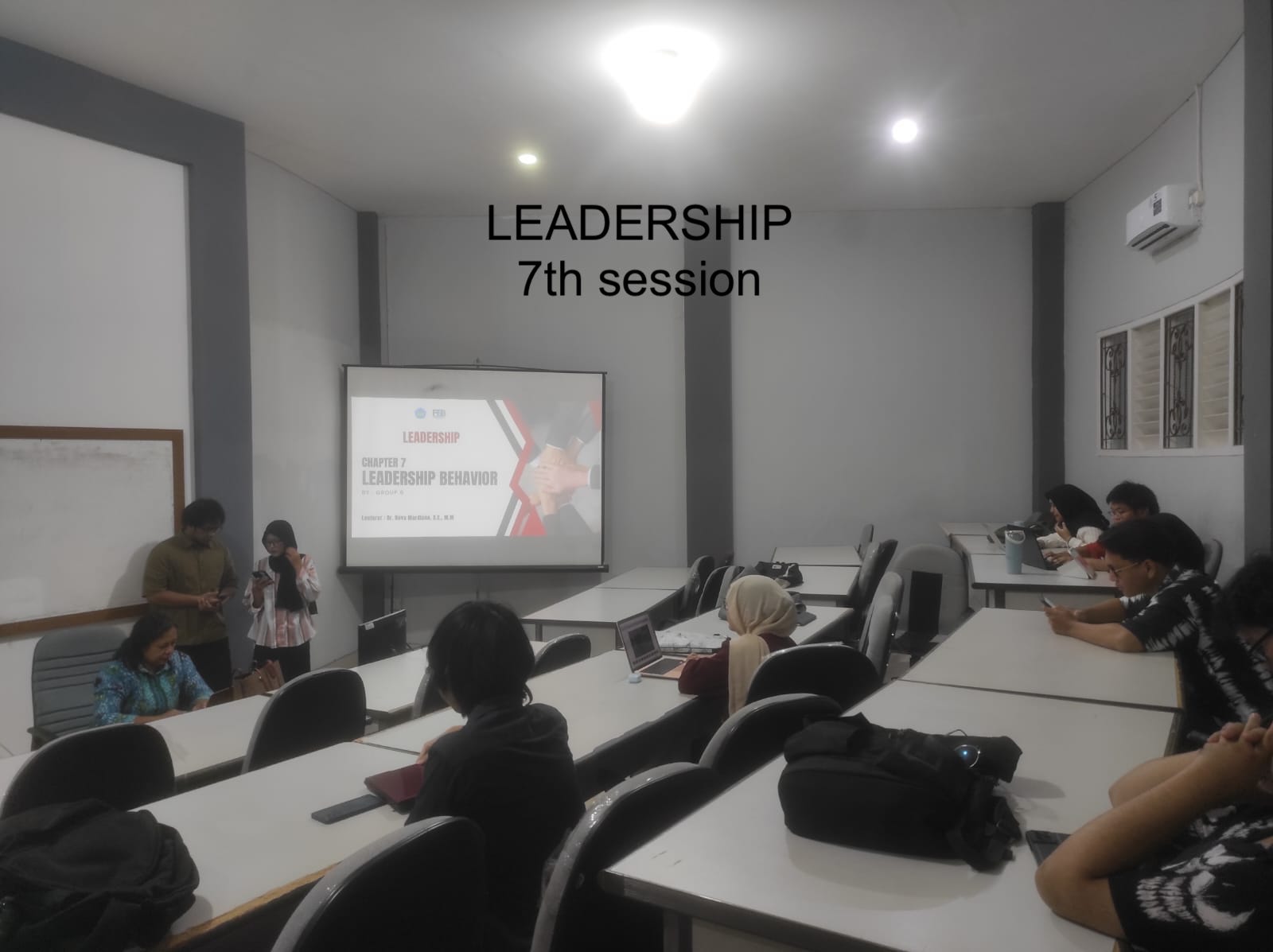
Session 7; Chapter 7: leadership behavior & Chapter 8: skills for building personal credibility and influencing others
Answers this questions ..
1. Explain about The Building Blocks of Skills !2. Explain about The Leadership Pipeline
3. Explain about The components of Community Leadership !
4. There are “basic” skills with which almost every leader should be equipped:
Explain about that• Building Credibility
• Communication
• Listening
• Assertiveness• Conducting Meetings
• Effective Stress Management • Problem Solving
• Improving CreativityClosing
Ya Allah...,
Thank you for loving all of us with good health so we can study today in great spirit.
Today is a great learning experience for all of us.
Please make the things that I know how to be useful and something I will remember and implement in daily life.
You have great power to makes the impossible happen.
Please allow us to be more understanding of the lesson even from before.
Thank you for allowing us to learn something new and make us richer with information.
Aamiin...
Thank you very much for your seriousness in participating in the learning.
See you next week...
Introduction
Introduction
Bismillahirohmannirohim..
Assalamualaikum Wr.Wb.....
Salam sejahtera untuk kita semua, Om Swastiastu, Nama Budaya, Salam Kebajikan..
Tabikpuuun...
Dear Students,
Throughout our meeting we have been talking about different ways to assess leaders. But when all is said and done, how can we tell good leaders from bad ones? This is a critically important question: if we can specifically identify what leaders actually do that makes them effective, then we can hire or train people to exhibit these behaviors. One way to differentiate leaders is to look at what they do on a day-to-day basis. Some leaders do a good job of making decisions, providing direction, creating plans, giving regular feedback, getting their followers the resources they need to be successful, and building cohesive teams. Other leaders have difficulties making decisions, set vague or unclear goals, and ignore followers’ requests
earning objectives chapter 8 skills for building personal credibility and infuencing others
1. to be abel to know building crebility
2. to be able to know communication
3. to be able to know listening
4. ti be able to know assertiveness
5. to be able to know conducting meetings
6. to be able to know effective stress management
7. to be able to know problem solving
8. to be able to know improving creativity
Don't forget to fill in your presence
Thank you for your attention and participation
PENDAHULUAN
Assalamu'alaikum wr. wb
Sepanjang pertemuan, kita telah membicarakan tentang berbagai cara untuk menilai para pemimpin. Tetapi ketika semua dikatakan dan dilakukan, bagaimana kita bisa membedakan pemimpin yang baik dari yang buruk? Pertanyaan ini yang sangat penting: jika kita dapat secara spesifik mengidentifikasi apa yang sebenarnya dilakukan oleh para pemimpin yang membuat mereka efektif, maka kita dapat mempekerjakan atau melatih orang untuk menunjukkan perilaku ini. Salah satu cara untuk membedakan para pemimpin adalah dengan melihat apa yang mereka lakukan setiap hari. Beberapa pemimpin melakukan pekerjaan dengan baik dalam membuat keputusan, memberikan arahan, membuat rencana, memberikan umpan balik rutin, mendapatkan pengikut mereka sumber daya yang mereka butuhkan untuk sukses, dan membangun tim yang kohesif. Pimpinan lain mengalami kesulitan dalam mengambil keputusan, menetapkan tujuan yang tidak jelas atau tidak jelas, dan mengabaikan permintaan pengikut
PENYAJIAN
BAB 8: Skills for Building Personal Credibility and Influencing Others
Kelompok 5
Ayang nurma diana (1851011019)
2. Fikry Afriyanda (1851011018)
3. N.A.Regata Satya Dewi ( 1851011001 )
4. Muhammad Zulfikri M (1811011039)
5. Endang afy (1811011001)
6. Heny puspita sari Saputri (1811011049)
7. Deryco putra
Session 8; MID TERM
Closing
Ya Allah...,
Thank you for loving all of us with good health so we can study today in great spirit.
Today is a great learning experience for all of us. Please make the things that I know how to be useful and something I will remember and implement in daily life. You have great power to makes the impossible happen. Please allow us to be more understanding of the lesson even from before. Thank you for allowing us to learn something new and make us richer with information. Aamiin...
Thank you very much for your seriousness in participating in the learning. See you next week
PENYAJIAN
PENUTUP
Banyak pendekatan untuk memahami pengaruh motivasi yang berbeda untuk meningkatkan kinerja dan kepuasan. Hierarki kebutuhan Maslow misalnya mengasumsikan bahwa orang-orang termotivasi untuk memenuhi seperangkat kebutuhan universal. Orientasi pencapaian memandang motivasi sebagai ciri kepribadian dan mengasumsikan beberapa orang telah dipersiapkan untuk lebih termotivasi daripada yang lain. Penetapan tujuan melihat motivasi dari perspektif kognitif. Pendekatan ini mengasumsikan bahwa orang membuat pilihan yang rasional dan sadar tentang arah, intensitas, dan kegigihan perilaku mereka, dan umumnya terlibat dalam perilaku yang memaksimalkan hasil dan meminimalkan biaya. Dua teori terakhir, pemberdayaan dan pendekatan operan, menguji motivasi dari perspektif situasional. Praktisi kepemimpinan kemungkinan besar akan lebih efektif jika mereka belajar mengenali situasi di mana berbagai pendekatan, atau wawasan khusus mereka, mungkin berguna secara berbeda.
Waktu 75 menit
Session 9; Chapter 9: Motivation, Performance, and Effectiveness
PEMBUKAAN
Assalamu'alaikum wr. wb
Seperti yang telah kita bahas, pemimpin perlu memahami beberapa hal tentang diri mereka sendiri. Keterampilan, kemampuan, nilai, motif, dan keinginan mereka merupakan pertimbangan penting dalam menentukan gaya kepemimpinan dan preferensi mereka. Pemimpin juga perlu memahami, sebanyak mungkin, karakteristik yang sama dari pengikut mereka. Tetapi jika ingin mengetahui karakteristik diri dan masing-masing pengikut, itu masih belum cukup. Hal ini karena kelompok dan tim berbeda dari sekadar keterampilan, kemampuan, nilai, dan motif orang-orangnya. Grup dan tim memiliki karakteristik khusus masing-masing.
PEMBAGIAN TUGASKelompok 1: Intan, Bunda Ria, Mala
* Bab 1: Apa yang Dimaksud dengan Kepemimpinan?
* Bab 2: Pengembangan Pemimpin
Kelompok 2: Talitha, Anin, Febi
* Bab 3: Keterampilan untuk Mengembangkan Diri sebagai Pemimpin
* Bab 4: Kekuasaan dan Pengaruh
* Bab 5: Kepemimpinan, Etika, dan Nilai-Nilai
Kelompok 3: Sri Hartati, Ranti, Fadhil Farizi
* Bab 6: Atribut Kepemimpinan
* Bab 7: Perilaku Kepemimpinan
* Bab 8: Keterampilan untuk Membangun Kredibilitas Pribadi dan Mempengaruhi Orang Lain
Kelompok 4: Beni, Bino, Tian
* Bab 9: Motivasi, Kepuasan, dan Kinerja
* Bab 10: Kelompok, Tim, dan Kepemimpinan Mereka
* Bab 11: Keterampilan untuk Mengembangkan Orang Lain
Kelompok 5: Nelfit, Rica, Afrida
* Bab 12: Situasi
* Bab 13: Teori Kontingensi dalam Kepemimpinan
Kelompok 6: Jeni, Mega, Kerin
* Bab 14: Kepemimpinan dan Perubahan
* Bab 15: Sisi Gelap Kepemimpinan
* Bab 16: Keterampilan untuk Mengoptimalkan Kepemimpinan Saat Situasi Berubah
Kelompok 7: Willia, Melly, Putri
* Bab 2: Peran dan Pengambilan Keputusan Manajerial
* Bab 3: Perilaku Kepemimpinan
Kelompok 8: Vindi, Selin, Pak Taufan
* Bab 4: Kepemimpinan dalam Perubahan
* Bab 5: Kepemimpinan yang Memberdayakan (Empowering Leadership)
Kelompok 9: Bagas, Dhika, Kevin
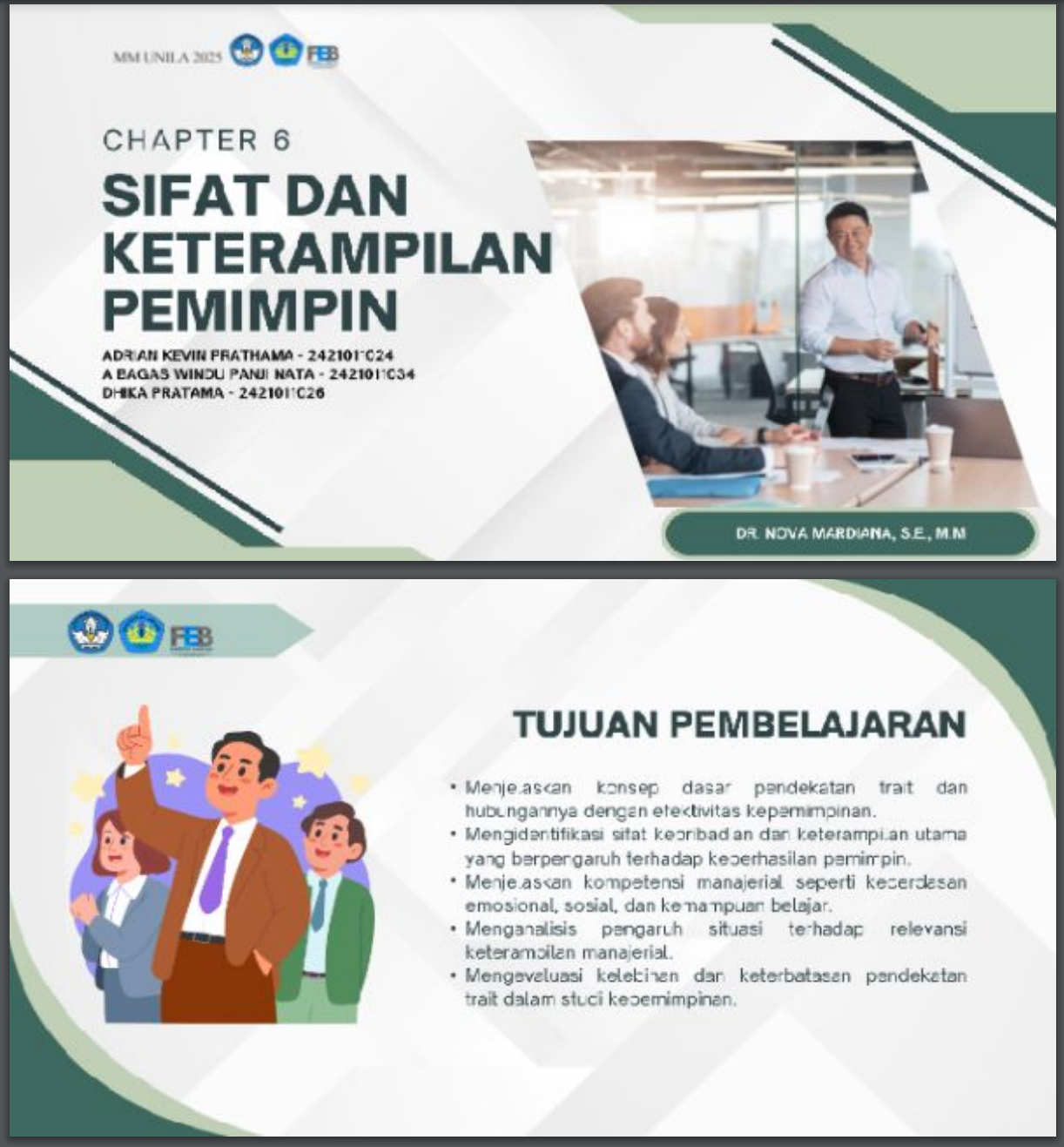
* Bab 6: Sifat dan Keterampilan Pemimpin
* Bab 7: Teori Kontingensi tentang Kepemimpinan yang Efektif
Kelompok 10: Ade, Dewiana, Ledi
* Bab 8: Kekuasaan dan Pengaruh dalam Kepemimpinan
* Bab 9: Teori Diadik dan Pengikut (Followership)
Kelompok 11: Roy, Naufal, Fernando, Elvin
* Bab 10: Kepemimpinan Tim
* Bab 11: Kepemimpinan Strategis
Kelompok 12: Fifkha, Eliya, Rian
* Bab 12: Teori Kepemimpinan Karismatik dan Transformasional
* Bab 13: Kepemimpinan Etis
Kelompok 13: Nisaa, Katty, Fahmi
* Bab 14: Kepemimpinan Lintas Budaya dan Keberagaman
* Bab 15: Pengembangan Kepemimpinan
* Bab 16: Model Integratif dan Arah Masa Depan
PENUTUP
Perspektif kelompok menunjukkan bahwa perilaku pengikut dapat menjadi hasil dari faktor-faktor yang agak independen dari karakteristik individu pengikut. Faktor kelompok yang dapat mempengaruhi perilaku pengikut meliputi ukuran kelompok, tahapan perkembangan kelompok, peran, norma, dan kohesi.
Model Kepemimpinan Tim menyatakan bahwa efektivitas tim paling baik dipahami dalam hal masukan, proses, dan hasil. Input level terdiri dari karakteristik individu pengikut; desain tim itu sendiri; dan berbagai sistem organisasi yang menciptakan konteks di mana tim akan beroperasi. Process level menyangkut bagaimana tim berperilaku saat menjalankan tugas mereka, dan output level menyangkut apakah pelanggan dan klien puas dengan produk tim, apakah tim meningkat dan berkembang sebagai unit yang berkinerja, dan apakah pengikut puas menjadi anggota tim.
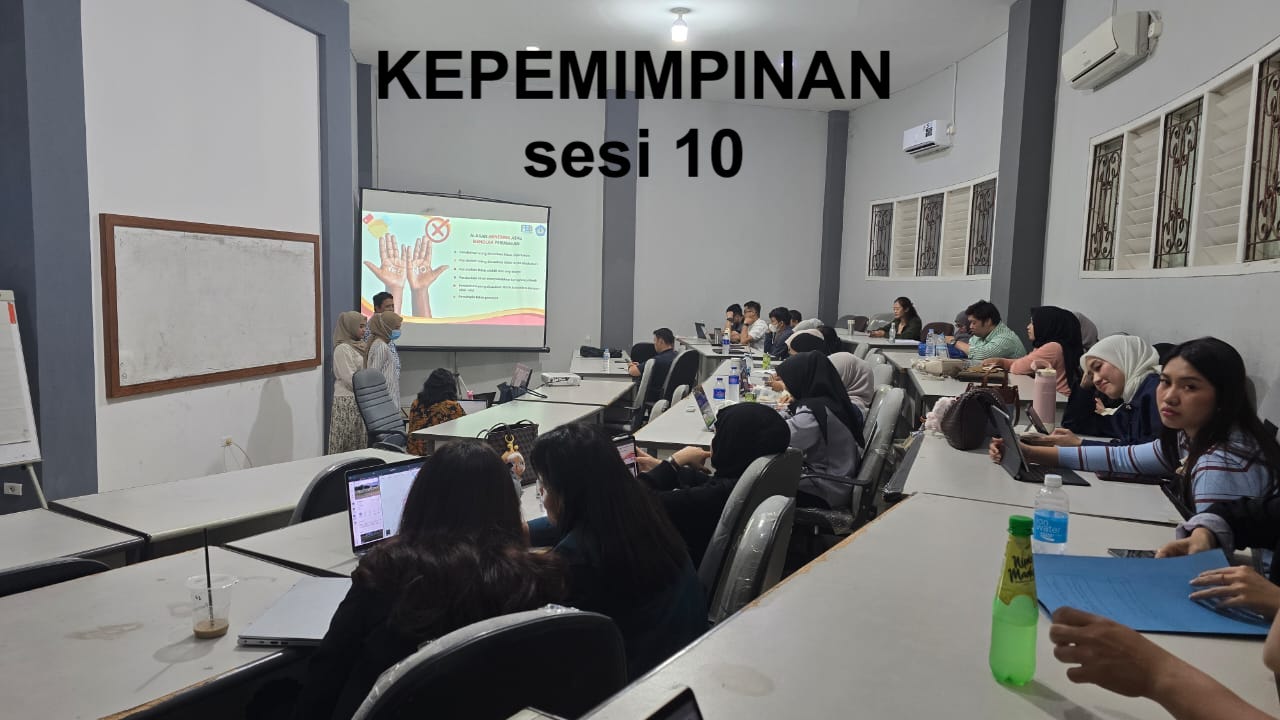
Session 10; Bab 4: Kepemimpinan dalam Perubahan * Bab 5: Kepemimpinan yang Memberdayakan (Empowering Leadership)
Chapter 4
• Memahami alasan penolakan terhadap perubahan.
• Memahami proses psikologis yang terlibat dalam membuat perubahan besar.
• Memahami cara mengembangkan visi yang menarik bagi organisasi.
• Memahami cara menerapkan perubahan besar dalam suatu organisasi.
• Memahami karakteristik organisasi pembelajar.
• Memahami bagaimana para pemimpin dapat meningkatkan pembelajaran dan inovasi.
Chapter 5
• Memahami berbagai bentuk kepemimpinan partisipatif dan pemberdayaan
• Memahami temuan utama dalam penelitian tentang konsekuensi kepemimpinan partisipatif.
• Pahami situasi di mana kepemimpinan partisipatif kemungkinan besar akan efektif.
• Pahami kapan dan bagaimana menggunakan konsultasi.
• Memahami potensi manfaat dan risiko pendelegasian.
• Pahami kapan dan bagaimana menggunakan delegasi.
JAWABLAH PERTANYAAN PERTANYAAN BERIKUT INI
1. Bagaimana proses psikologis yang terlibat dalam membuat perubahan besar?
2. Bagaimana memahami cara mengembangkan visi yang menarik bagi organisasi?
3. Bagaimana cara menerapkan perubahan besar dalam suatu organisasi?
4. Bagaimana para pemimpin dapat meningkatkan pembelajaran dan inovasi?
6. Jelaskan berbagai bentuk kepemimpinan partisipatif dan pemberdayaan!
7. Jelaskan potensi manfaat dan risiko pendelegasian dan kapan dan bagaimana menggunakan delegasi.?
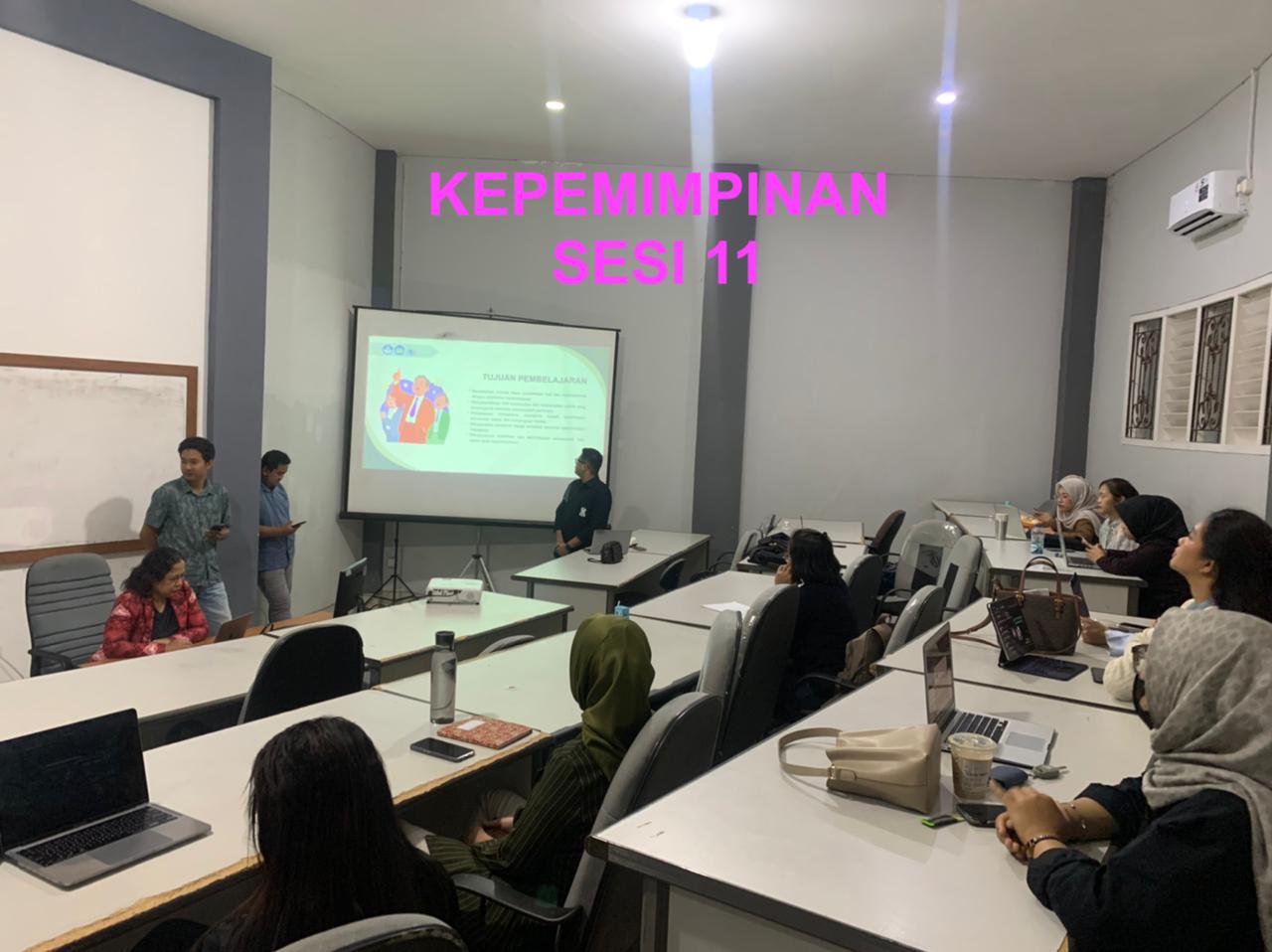
SESI 11. Bab 6: Sifat dan Keterampilan Pemimpin * Bab 7: Teori Kontingensi tentang Kepemimpinan yang Efektif
Ch 6.
- Menjelaskan konsep dasar pendekatan trait dan hubungannya dengan efektivitas kepemimpinan.Mengidentifikasi sifat kepribadian dan keterampilan utama yang berpengaruh terhadap keberhasilan pemimpin.
* Menjelaskan kompetensi manajerial seperti kecerdasan emosiaonal, sosial, dan kemampuan belajar.
* Menganalisis pengaruh situasi terhadap relevansi keterampilan manajerial.
* Mengevaluasi kelebihan dan keterbatasan pendekatan trait dalam studi kepemimpinan
Ch 7.
- Memahami prinsip-prinsip kepemimpinan adaptif dan penerapannya dalam situasi krisis
- Dapat menjelaskan langkah-langkah efektif dalam mengelola krisis secara cepat dan tepat
- Mampu mengidentifikasi pentingnya komunikasi, ketenangan, dan pengambilan keputusan dalam menghadapi krisis.
JAWABLAH PERTANYAAN PERTANYAAN BERIKUT INI
1. Jelaskan konsep dasar pendekatan trait dan hubungannya dengan efektivitas kepemimpinan!
2. Bagaimana mengidentifikasi sifat kepribadian dan keterampilan utama yang berpengaruh terhadap keberhasilan pemimpin?3. Jelaskan kompetensi manajerial seperti kecerdasan emosiaonal, sosial, dan kemampuan belajar!
4. Jelaskan prinsip-prinsip kepemimpinan adaptif dan penerapannya dalam situasi krisis !
5. Jelaskan langkah-langkah efektif dalam mengelola krisis secara cepat dan tepat!
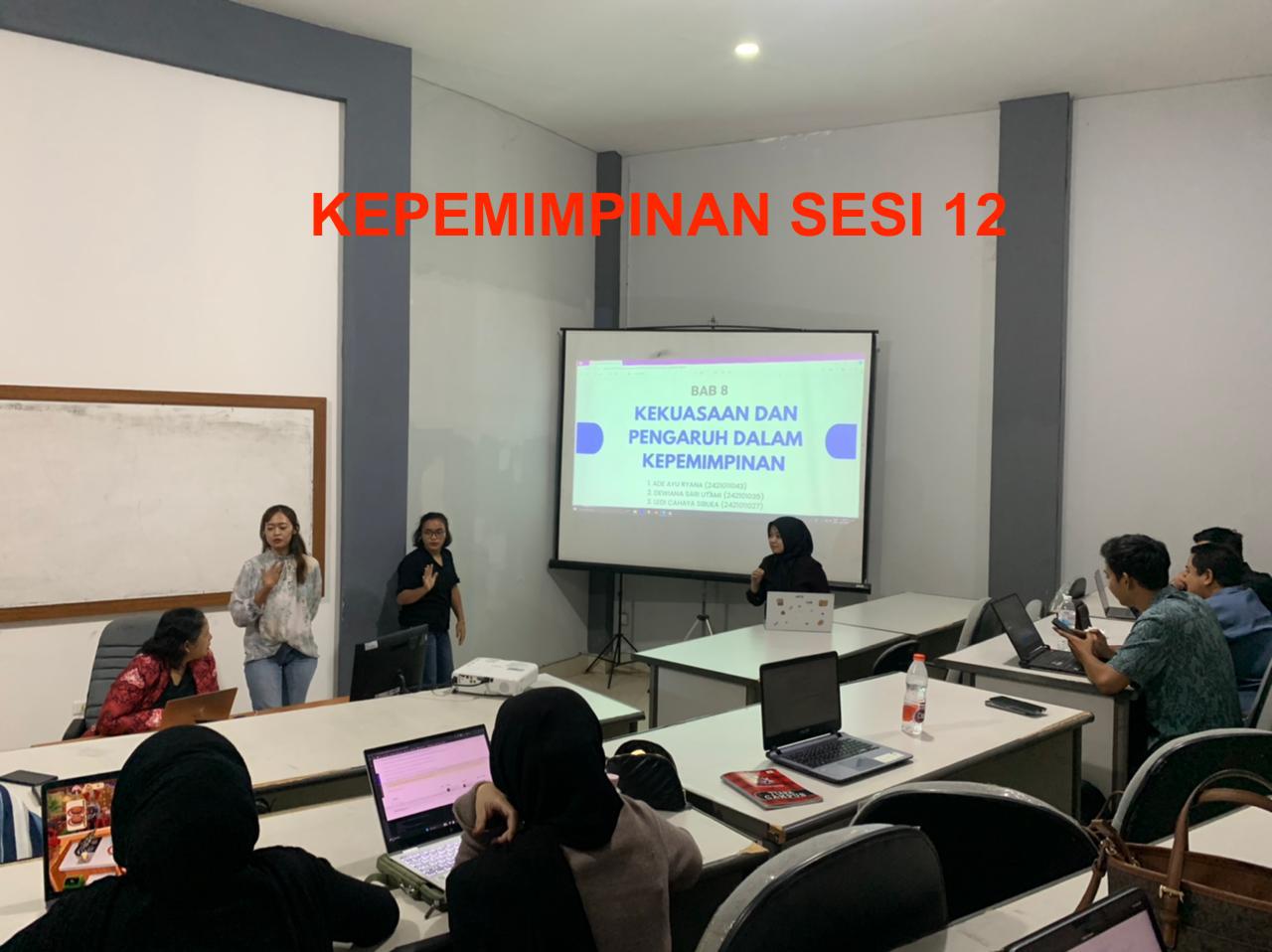
SESI 12; Bab 8: Kekuasaan dan Pengaruh dalam Kepemimpinan * Bab 9: Teori Diadik dan Pengikut (Followership)
CUAPTER 8
- Memahami proses perolehan atau hilangnya kekuasaan dalam organisasi.
- Memahami konsekuensi Kekuasaan terhadap efektivitas kepemimpinan.
- Memahami cara menggunakan kekuasaan secara Efektif.
- Memahami berbagai jenis taktik pengaruh yang digunakan dalam organisasi.
- Memahami bagaimana taktik tersebut digunakan untuk memengaruhi bawahan, rekan kerja, dan atasan.
- Memahami cara efektif menggunakan taktik tersebut.
CHAPTER 9
- Memahami mengapa hubungan diadik yang berbeda berkembang antara seorang pemimpin dan bawahan.
- Memahami bagaimana pemimpin dipengaruhi oleh atribusi tentang bawahan.
- Memahami cara yang tepat untuk mengelola bawahan dengan kekurangan kinerja.
- Memahami bagaimana pemimpin dan pengikut berusaha mengelola kesan.
- Memahami bagaimana atribusi dan teori implisit
- Memengaruhi persepsi pengikut terhadap bawahan.
- Memahami bagaimana pengikut dapat memiliki hubungan yang lebih efektif dengan pemimpin mereka
- Bab 9: Teori Diadik dan Pengikut (Followership) File 1.3MB PDF document
JAWABLAH PERTANYAAN PERTANYAAN BERIKUT INI
1. Jelaskan proses perolehan atau hilangnya kekuasaan dalam organisasi!
2. Bagaimana memahami konsekuensi Kekuasaan terhadap efektivitas kepemimpinan?
3. Bagaimana memahami cara menggunakan kekuasaan secara Efektif?
4. Bagaimana memahami berbagai jenis taktik pengaruh yang digunakan dalam organisasi?
5. Bagaimana memahami mengapa hubungan diadik yang berbeda berkembang antara seorang pemimpin dan bawahan?
6. Bagaimana memahami bagaimana pemimpin dipengaruhi oleh atribusi tentang bawahan?
7. Bagaimana memahami cara yang tepat untuk mengelola bawahan dengan kekurangan kinerja?
8. Bagaimana memahami bagaimana atribusi dan teori implisi?
9. Bagaimana pengikut dapat memiliki hubungan yang lebih efektif dengan pemimpin mereka?
SESI 13; Bab 10: Kepemimpinan Tim * Bab 11: Kepemimpinan Strategis
Chapter 10
• Menjelaskan konsep kepemimpinan tim dan peran pemimpin dalam membangun visi serta kepercayaan tim.
• Mengidentifikasi delapan determinan kinerja tim yang efektif dan memahami cara pemimpin memengaruhinya.
• Membedakan jenis-jenis tim (functional, cross-functional, self-managed, dan virtual) serta gaya kepemimpinan yang sesuai untuk masing-masing.
• Menganalisis empat peran krusial pemimpin tim dalam mengarahkan, mengorganisasi, mengintegrasi sosial, dan menjalin hubungan eksternal.
• Menerapkan tujuh strategi untuk meningkatkan efektivitas dan kolaborasi dalam tim kerja.
• Menunjukkan kemampuan dalam memimpin proses pengambilan keputusan kelompok secara efektif dan inklusif.
• Mengevaluasi pentingnya keseimbangan antara struktur, relasi, dan pembelajaran berkelanjutan dalam kepemimpinan tim visioner.
Chapter 11
• Menjelaskan makna dan tujuan kepemimpinan strategis dalam konteks pertumbuhan dan keberlanjutan organisasi.
• Menganalisis peran pemimpin puncak (CEO dan tim eksekutif) dalam menentukan arah strategis organisasi di tengah perubahan lingkungan bisnis.
• Mengidentifikasi faktor-faktor penentu kinerja organisasi yang berkelanjutan, termasuk efisiensi, sumber daya manusia, adaptabilitas, dan budaya organisasi.
• Mengevaluasi pentingnya kolaborasi dan kepercayaan dalam tim eksekutif untuk menghasilkan keputusan strategis yang efektif.
• Menjelaskan langkah-langkah sistematis dalam pengembangan strategi kompetitif dan bagaimana melibatkan pemangku kepentingan utama dalam prosesnya.
• Menilai peran budaya organisasi dalam mendukung strategi dan bagaimana pemimpin membentuk serta memelihara budaya yang adaptif.
• Mendeskripsikan konsep kepemimpinan modern seperti shared leadership, relational leadership, dan complexity theory dalam konteks organisasi adaptif.
• Menunjukkan kemampuan dalam menyeimbangkan antara visi jangka panjang, fleksibilitas strategi, kolaborasi, dan hasil terukur dalam praktik kepemimpinan strategis.
• Merefleksikan pentingnya pembelajaran berkelanjutan bagi pemimpin dalam menghadapi ketidakpastian dan transformasi organisasi.
- Bab 10: Kepemimpinan Tim * Bab 11: Kepemimpinan Strategis File 846.9KB PDF document
JAWABLAH PERTANYAAN PERTANYAAN BERIKUT INI
1. Jelaskan konsep kepemimpinan tim dan peran pemimpin dalam membangun visi serta kepercayaan tim!
2. Sebutkan delapan determinan kinerja tim yang efektif dan memahami cara pemimpin memengaruhinya?
3. Jelaskan bagaimana membedakan jenis-jenis tim (functional, cross-functional, self-managed, dan virtual) serta gaya kepemimpinan yang sesuai untuk masing-masing!
4. Jelaskan tujuh strategi untuk meningkatkan efektivitas dan kolaborasi dalam tim kerja!
5. Bagaimana menganalisis peran pemimpin puncak (CEO dan tim eksekutif) dalam menentukan arah strategis organisasi di tengah perubahan lingkungan bisnis?
6. Jelaskan langkah-langkah sistematis dalam pengembangan strategi kompetitif dan bagaimana melibatkan pemangku kepentingan utama dalam prosesnya!
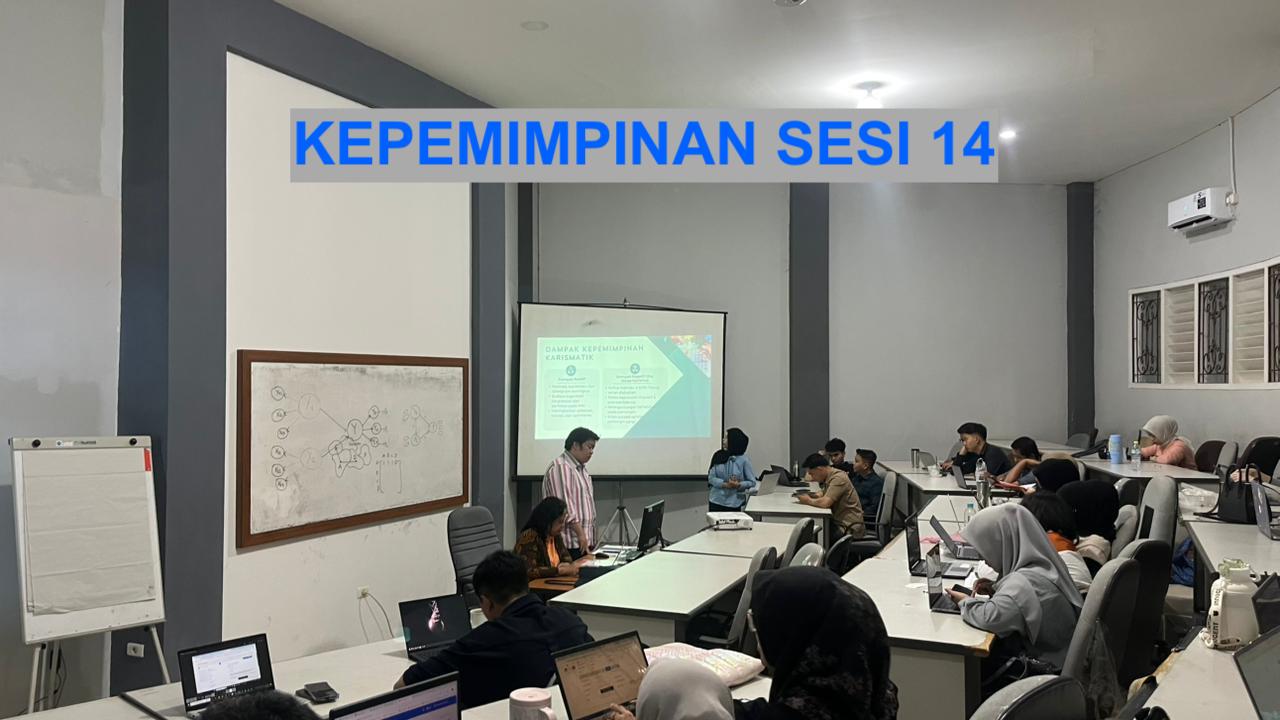
SESI 14; Bab 12: Teori Kepemimpinan Karismatik dan Transformasional * Bab 13: Kepemimpinan Etis
Chapter 12:
1. Memahami teori karismatik dan transformasional.
2. Memahami persamaan dan perbedaan antara kepemimpinan karismatik dan transformasional.
3. Mengidentifikasi sifat, perilaku, dan konteks yang memunculkan karisma.
4. Menilai manfaat dan risiko kepemimpinan karismatik.
5. Menjelaskan cara menginspirasi lebih banyak komitmen dan optimisme pengikut.
Chapter 13:
1. Memahami berbagai konsep kepemimpinan etis.
2. Menjelaskan dilema etika yang dihadapi pemimpin.
3. Mengidentifikasi faktor individu & situasional yang memengaruhi perilaku etis.
4. Mendeskripsikan teori kepemimpinan transformasional, kepemimpinan pelayan, kepimpinan spiritual, dan kepemimpinan autentik.
5. Menjelaskan cara menumbuhkan perilaku etis dan mencegah yang tidak etis.
JAWABLAH PERTANYAAN PERTANYAAN BERIKUT INI
1. Jelaskan tentang teori karismatik dan transformasional!
2. Bagaimana persamaan dan perbedaan antara kepemimpinan karismatik dan transformasional?
3. Bagaimana menilai manfaat dan risiko kepemimpinan karismatik?
4. Jelaskan cara menginspirasi lebih banyak komitmen dan optimisme pengikut!
5. Bagaimana memahami berbagai konsep kepemimpinan etis?
6. Jelaskan dilema etika yang dihadapi pemimpin!
7. Bagaimana mengidentifikasi faktor individu & situasional yang memengaruhi perilaku etis?
8. Jelaskan cara menumbuhkan perilaku etis dan mencegah yang tidak etis!
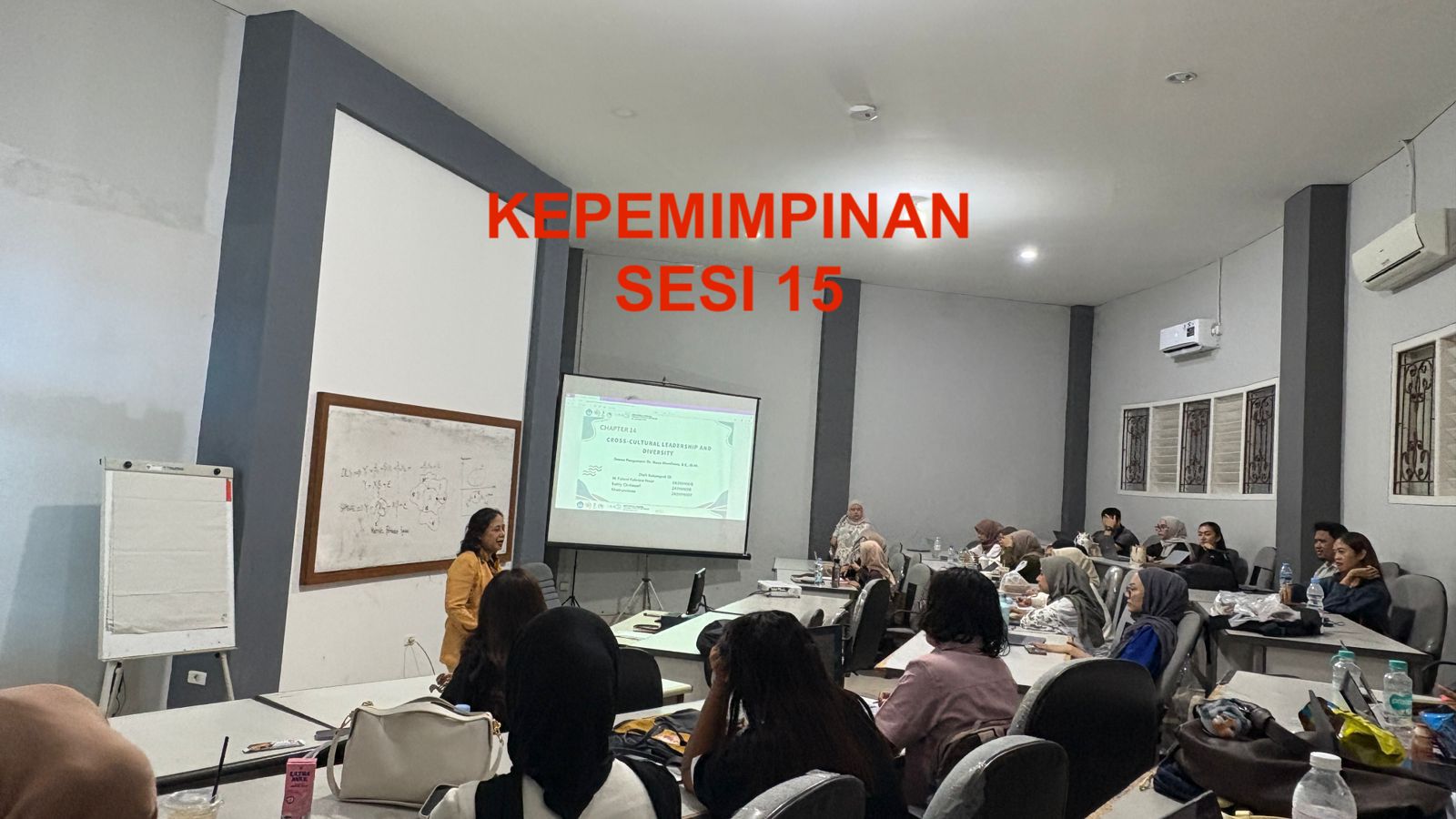
SESI 15; Bab 14: Kepemimpinan Lintas Budaya dan Keberagaman * Bab 15: Pengembangan Kepemimpinan * Bab 16: Model Integratif dan Arah Masa Depan
TUJUAN PEMBELAJARAN BAB 16 :
1. untuk dapat mengetahui bagaimana menciptakan visi yang baik
2. untuk dapat mengetahui cara mengatasi konflik
3. untuk dapat mengatahui negoisasi
4. untuk dapat mengatahui mendianoksis masalah performa pada individu, kelompok dan organisasi
5. untuk dapat mengetahui pembangunan tim di posisi puncak
6. untuk dapat mengetahui hukumanJAWABLAH PERTANYAAN PERTANYAAN BERIKUT INI
1.Jelaskan cara menciptakan visi yang baik!
2. Jelaskan cara mengatasi konflik yang buruk !
3. Jelaskan teknik negosiasi antar pemimpin !
4. Jelaskan cara pembangunan tim di posisi puncak!
6. Bagaimana cara untuk dapat mengetahui hukuman yang tepat bagi karyawan bermasalah?
Section 16: FINAL EXAM