བདུན་ཕྲག་རེ་བཞིན་གྱི་བཅུད་དོན།
ཡོངས་ཁྱབ།
 General news and announcements
- Reference Book ཡིག་སྣོད། {$a->ཚད་} {$a->དབྱེ་བ་}
1. Please make a group of 2 and decide what SMEs that u choose to explore about the management.
2. Then, make a proposal/paper about that SME in management perspective.
3. Define what the business goal is, ur vision, mission, and strategic. Help the SME to define their value through vision, mission, and strategy. And, explain the POLC of the SME.
4. Help the SME to make the organization structure, The org SWOT
5. Explain the problems the SME face and how it overcome them
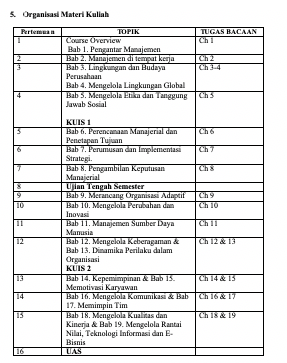
Sesi 1: Pengantar Manajemen Bab 1 & Bab 2
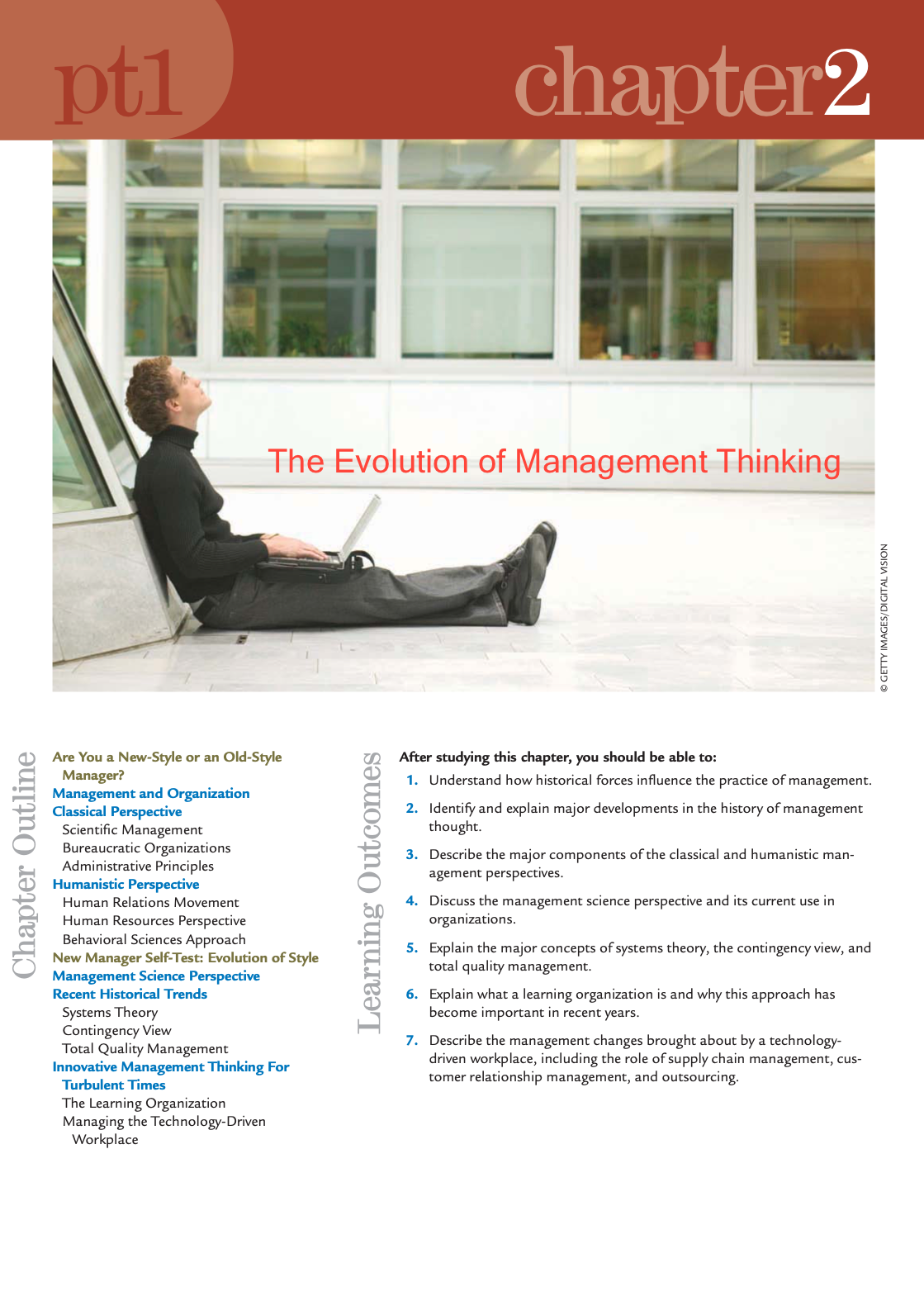
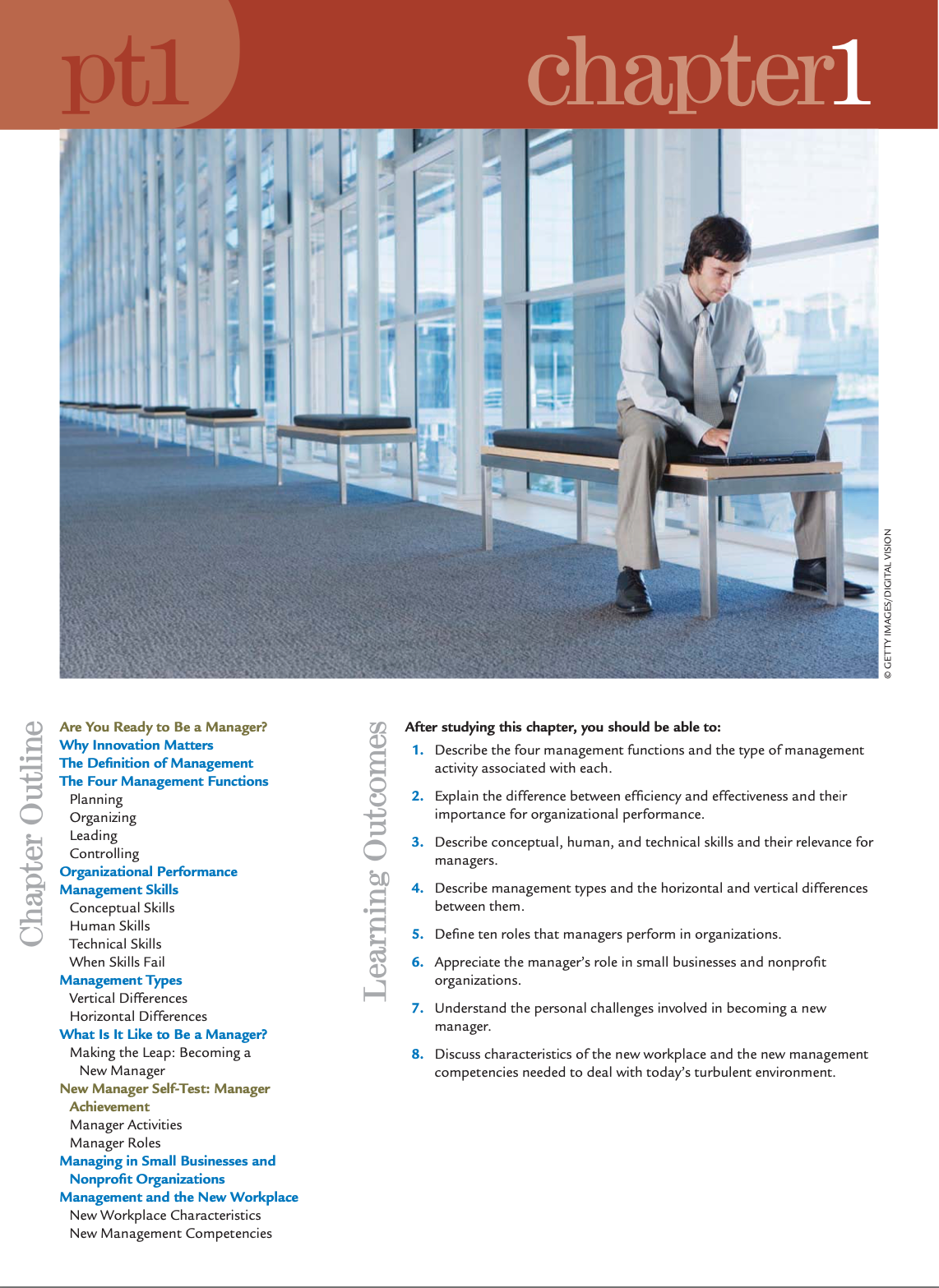
Setelah mempelajari bab ini, Anda diharapkan mampu:
1. Memahami bagaimana kekuatan historis memengaruhi praktik manajemen.
2. Mengidentifikasi dan menjelaskan perkembangan utama dalam sejarah pemikiran manajemen.
3. Menguraikan komponen-komponen utama dari perspektif manajemen klasik dan humanistik.
4. Membahas perspektif ilmu manajemen serta penerapannya saat ini dalam organisasi.
5. Menjelaskan konsep-konsep utama teori sistem, pendekatan kontingensi, dan manajemen mutu terpadu (*total quality management*).
6. Menjelaskan apa itu organisasi pembelajar (*learning organization*) dan mengapa pendekatan ini menjadi penting dalam beberapa tahun terakhir.
7. Menguraikan perubahan manajemen yang ditimbulkan oleh lingkungan kerja berbasis teknologi, termasuk peran manajemen rantai pasok, manajemen hubungan pelanggan, dan alih daya (*outsourcing*).
- Ch 1. Innovative Management for Turbulent Times ཡིག་སྣོད། {$a->ཚད་} {$a->དབྱེ་བ་}
Jelaskan apa yang dimaksud dengan;
1. Ekonomi
2. Bisnis
3. Manajemen
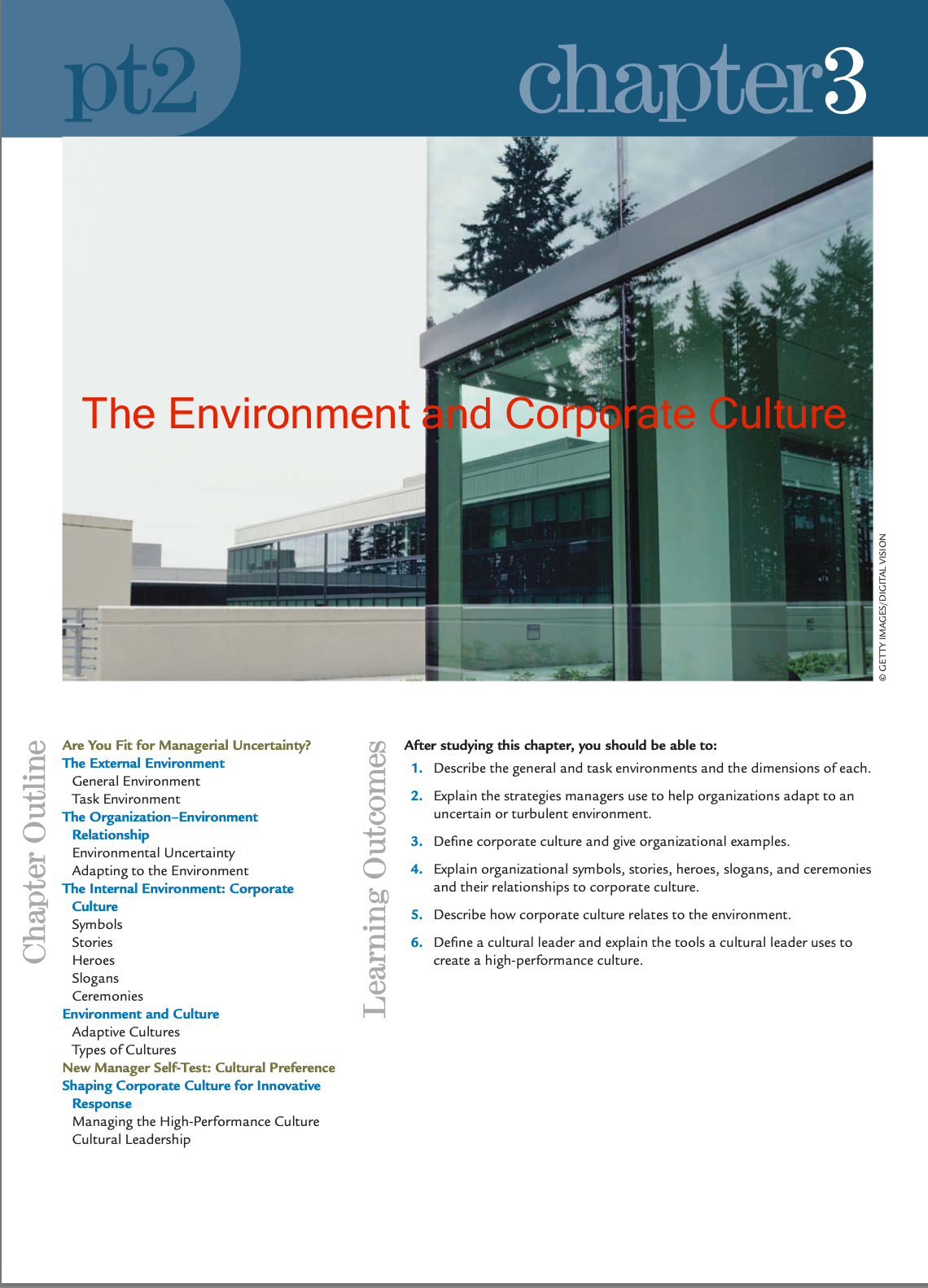
SESI 2. Bab 3. Lingkungan dan Budaya Perusahaan
JAWABLAH PERTANYAAN BERIKUT INI:
1. Bagaimana kekuatan historis memengaruhi praktik manajemen?2. Jelaskan perkembangan utama dalam sejarah pemikiran manajemen!
3. Jelaskan komponen-komponen utama dari perspektif manajemen klasik dan humanistik!
4. Jelaskan perspektif ilmu manajemen serta penerapannya saat ini dalam organisasi.
5. Jelaskan konsep-konsep utama teori sistem, pendekatan kontingensi, dan manajemen mutu terpadu (*total quality management*)!
6. Jelaskan apa itu organisasi pembelajar (*learning organization*) dan mengapa pendekatan ini menjadi penting dalam beberapa tahun terakhir?
7. Jelaskan perubahan manajemen yang ditimbulkan oleh lingkungan kerja berbasis teknologi, termasuk peran manajemen rantai pasok, manajemen hubungan pelanggan, dan alih daya (*outsourcing*)!
- ད་རིས་ཀྱི་བདུན་ཕྲག
Sesi 3. BAB 4. Mengelola Lingkungan Global
Sesi 4. Bab 5. Mengelola Etika dan Tanggung Jawab Sosial
Sesi 5. Bab 6. Perencanaan Manajerial dan Penetapan Tujuan
After studying this chapter, you should be able to:
1. Define goals and plans and explain the relationship between them.
2. Explain the concept of organizational mission and how it infl uences goal setting and planning.
3. Describe the types of goals an organization should have and how managers use strategy maps to align goals.
4. Define the characteristics of effective goals.
5. Describe the four essential steps in the management by objectives (MBO) process.
6. Explain the difference between single-use plans and standing plans.
7. Describe and explain the importance of contingency planning, scenario building, and crisis planning in today’s environment.
8. Summarize the guidelines for high-performance planning in a fastchanging environment.
Please do the study case analysis on page 180. (Case for critical analysis)
Deadline: next week
hand written
I will inform about the project in detail next week
Please drop ur Qs here.
It will be counted as a activity class point
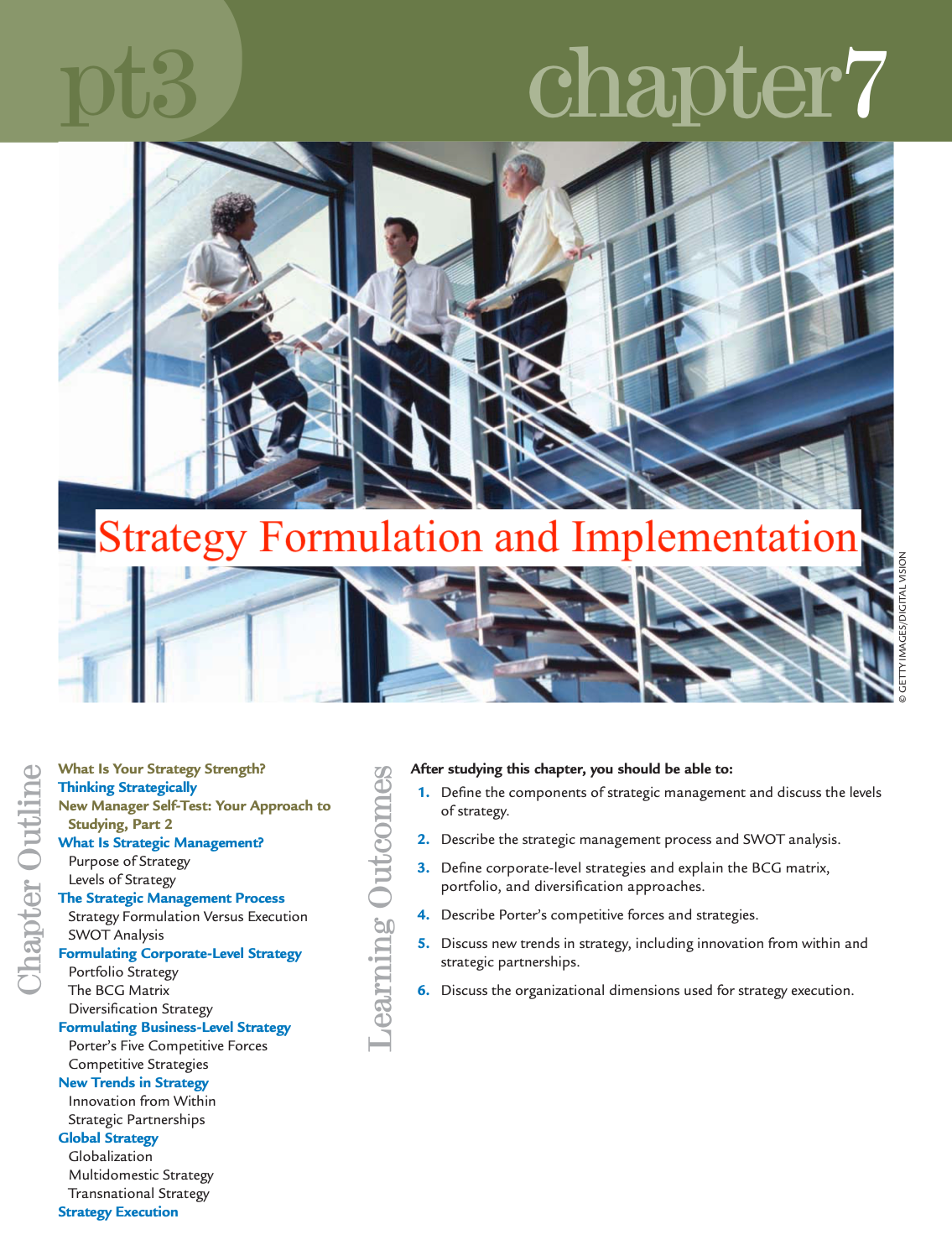
Sesi 6. Bab 7. Perumusan dan Implementasi Strategi.
After studying this chapter, you should be able to:
1. Define the components of strategic management and discuss the levels of strategy.
2. Describe the strategic management process and SWOT analysis.
3. Define corporate-level strategies and explain the BCG matrix, portfolio, and diversifi cation approaches.
4. Describe Porter’s competitive forces and strategies.
5. Discuss new trends in strategy, including innovation from within and strategic partnerships.
6. Discuss the organizational dimensions used for strategy execution.
- PPT ཡིག་སྣོད། {$a->ཚད་} {$a->དབྱེ་བ་}
Strategy Formulation and Implementation
- PPT ཡིག་སྣོད། {$a->ཚད་} {$a->དབྱེ་བ་}
Decision Making
Sesi 7: Bab 8. Pengambilan Keputusan Manajerial
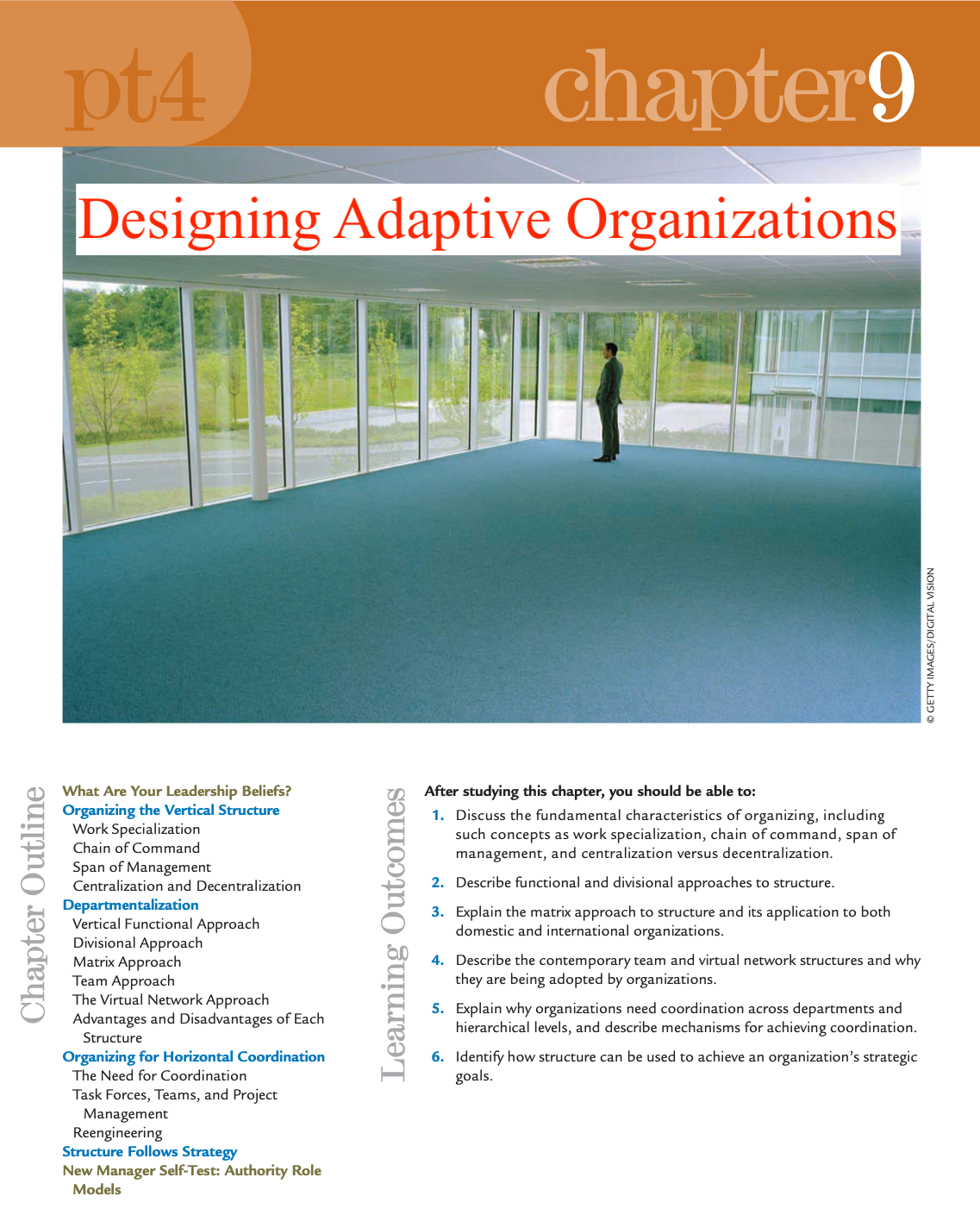
A manager’s work is infl uenced by how the company is organized. New managers are typically more comfortable and more effective working in an organization system that is compatible with their leadership beliefs. Yet all organizations wrestle with the question of structural design, and reorganization often is necessary to refl ect a new strategy, changing market conditions, or innovative technology. Good managers understand and learn to work within a variety of structural confi gurations. In recent years, many companies have realigned departmental groupings, chains of command, and horizontal coordination mechanisms to attain new strategic goals.
- PPT ཡིག་སྣོད། {$a->ཚད་} {$a->དབྱེ་བ་}
Sesi 8: MID Test
Mid Test
Introductory to Management
1. Explain the function of management!
2. Explain the competitive strategy that the company can do. Can the company use only one of these types of strategies? Explain!
3. In a rapidly changing environment what organizational form is appropriate? Describe in graphic form the type of organization you recommend.
4. How might the globalization backlash affect you as a future manager or the company for which you work?
5. Do you think intuition is a valid approach to making decisions in an organization? Why or why not? How might intuition be combined with a rational decision approach
Deadline: 23/10/2021 at 17.00
hand writing or using word no problem. Please not, please use ur own words
Sesi 9: Bab 9. Merancang Organisasi Adaptif
Sesi 10; Bab 10. Mengelola Perubahan dan Inovasi
Tell me about the advantage and disadvantage every structural approach (functional, divisional, matrix, team and virtual network) !
Sesi 11; Bab 11. Manajemen Sumber Daya Manusia
sesi 12; Bab 12. Mengelola Keberagaman & Bab 13. Dinamika Perilaku dalam Organisasi
After studying this chapter, you are expected to be able to:
1. How does the company respond to the widespread demographic changes occurring in the domestic and global markets?
2. How has the definition of diversity evolved to recognize a wide spectrum of differences among employees, and appreciate the benefits of a diverse workforce?
3. How to recognize the complex attitudes, opinions and issues that employees bring to the workplace, including prejudice, discrimination, stereotypes and ethnocentrism?
4. How to identify factors influencing women's opportunities, including glass ceilings, opt-out trends, and women's prominence?
5. Describe five steps in developing cultural competence in the workplace.
6. Explain how diversity initiatives and training programs help create a climate that values diversity.
7. Understand how multicultural teams and employee networking groups help organizations respond to a rapidly changing and complex workplace.
Sesi 13; Bab 14. Kepemimpinan & Bab 15. Memotivasi Karyawan
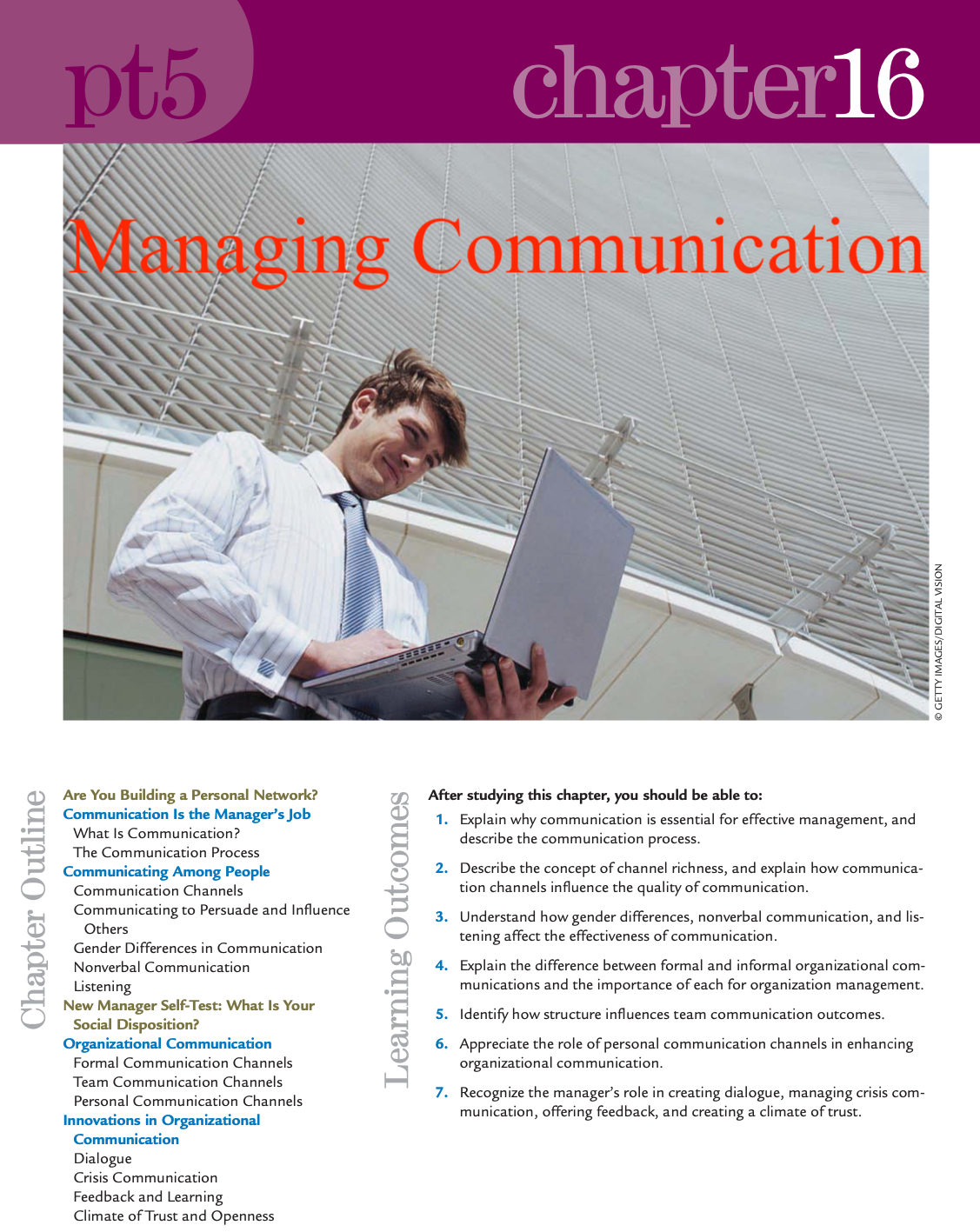
sesi 14; Bab 16. Mengelola Komunikasi & Bab 17. Memimpin Tim
sesi 15; Bab 18. Mengelola Kualitas dan Kinerja & Bab 19. Mengelola Rantai Nilai, Teknologi Informasi dan E-Bisnis
Explain about
Maslow's Hierarchy of Needs
Sesi 16: UAS Ujian Akhir Semester
SOAL UJIAN AKHIR SEMESTER
JURUSAN MANAJEMEN - FEB UNILA
TAHUN AKADEMIK 2021/2022
Kopel/Materi Kuliah : MANAGEMENT INTRODUCTION
Hari/Tanggal : Rabu, 15 Desember 2021
CASE :
Can Management Afford to Look the Other Way?
Harry Rull had been with Shellington Pharmaceuti- cals for 30 years. After a tour of duty in the various plants and seven years overseas, Harry was back at headquarters, looking forward to his new role as vice president of U.S. marketing.
Two weeks into his new job, Harry received some unsettling news about one of the managers under his supervision. Over casual lunch conversation, the direc- tor of human resources mentioned that Harry should expect a phone call about Roger Jacobs, manager of new product development. Jacobs had a history of being “pretty horrible” to his subordinates, she said, and one disgruntled employee asked to speak to some- one in senior management. After lunch, Harry did some follow-up work. Jacobs’ performance reviews had been stellar, but his personnel file also contained a large number of notes documenting charges of Jacobs’ mistreatment of subordinates. The complaints ranged from “inappropriate and derogatory remarks” to sub- sequently dropped charges of sexual harassment. What was more disturbing was that the amount as well as the severity of complaints had increased with each of Jacobs’ ten years with Shellington.
When Harry questioned the company president about the issue, he was told, “Yeah, he’s had some problems, but you can’t just replace someone with an eye for new products. You’re a bottom-line guy; you understand why we let these things slide.” Not sure how to handle the situation, Harry met briefly with Jacobs and reminded him to “keep the team’s morale up.” Just after the meeting, Sally Barton from HR called to let him know that the problem she’d mentioned over lunch had been worked out. How- ever, she warned, another employee had now come forward demanding that her complaints be addressed by senior management.
What Would You Do?